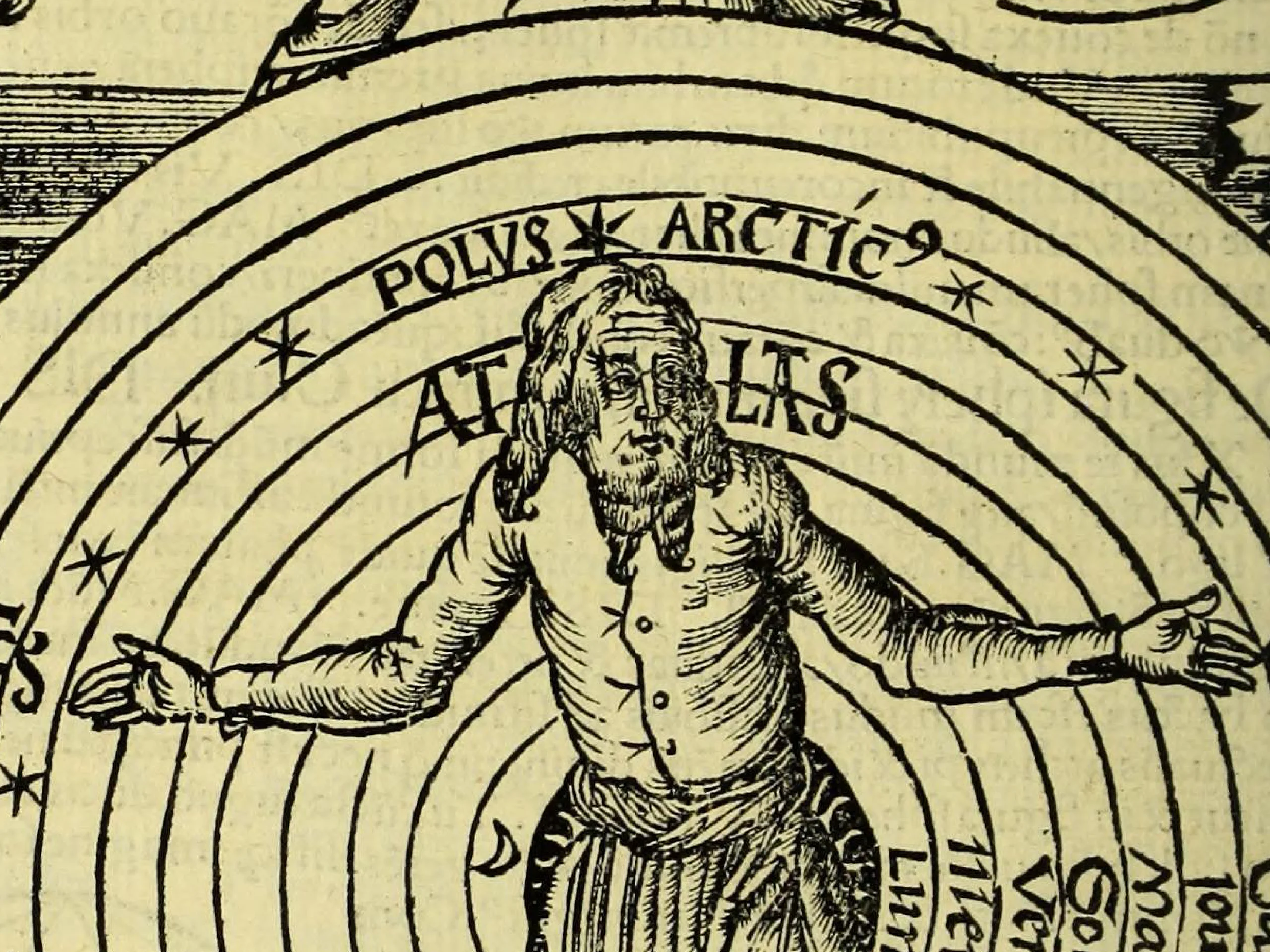
Melchor Pérez de Soto: A Book Collector Faces the Inquisition (JCB Digital Catalogue)
Melchor Pérez de Soto was a navigator, an architect, and an astrologer. He was born in Cholula, Mexico in 1606 and learned his trade as an architect from his father, Galician born Juan Pérez de Soto. He was appointed architect (obrero mayor) of Mexico City's Cathedral on 18 February 1653. Melchor Pérez de Soto first came to the attention of the Mexican Inquisition in the 1640s, during trials against crypto-Jews, but the Holy Office took no action until December of 1654. He was imprisoned, accused of possessing prohibited books and practicing astrology. After months in solitary confinement, pleading for just one book or a cellmate to keep him company, his jailors placed Diego Zedillo in Pérez de Soto's cell. The following morning, Pérez de Soto was found dead and a bloody rock lay beside Zedillo. Zedillo claimed that Pérez de Soto accosted him during the night, and in the darkness, his hand landed on the rock which he used to defend himself. As a result, we don't know how Pérez de Soto's trial would ultimately be resolved, and Zedillo hung himself in his cell some weeks later.
As was customary, all of Pérez de Soto's property was seized and inventoried at the time of his arrest. As a result, we have a list of the 1,592 books that were in his collection. The collection has been called "one of the finest private collections of books in seventeenth-century Mexico," and it included a number of books that were listed on the Index and ordered to be expurgated or were prohibited in their entirety. This joint exhibit by the John Hay Library and the John Carter Brown Library reconstructs a portion of Melchor Pérez de Soto's library.
From the entires on the manuscript inventory, it is rarely possible to identify the precise edition that Pérez de Soto owned, and many of the books listed appeared in multiple editions and/or translations. As such, this exhibit includes representative titles, but does not attempt to present the same editions found in Pérez de Soto's library. Labels printed on colored stock indicate books listed on the Index.
1. Navigator
Melchor Pérez de Soto first appears in the documentary record as a navigator, accompanying Pedro Porter Casanate on his 1643 exploration of Gulf and coastline of California. Porter Casanate, himself an accomplished navigator and mathematician, called Pérez de Soto an "expert cosmographer" (perito cosmógrafo) and the two were part of a large circle of scientifically minded men in Mexico City. Porter Casanate taught Pérez de Soto judicial astrology during their voyage up the Pacific coast of North America.
Pérez de Soto's collection included a great number of practical navigational texts, along with works explaining how to make and use nautical instruments. These were supplemented by accounts of voyages, geographical, and historical texts. All of these would inform his astrological practice, from the movements of celestial bodies to the manners and customs of distant lands.
Andrés García de Céspedes, and others
Regimiento de nauegacion q[ue] mando haser el rei nuestro señor por orde...
1606, cop. 1

Antonio Vázquez de Espinosa
Tratado verdadero del viage y nauegacion deste año de seiscientos y vei...
1623
Gonzalo de Nodal e.a.
Relacion del viáje que por orden de Su Mag[esta]d. y acuerdo del real co...
1621
Martin Fernández de Enciso
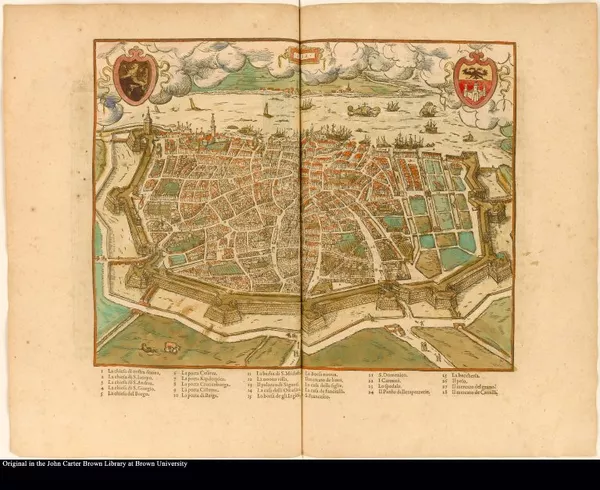
Suma de geographia q[ue] trata de todas las partidas [y] prouincias del ...
1530
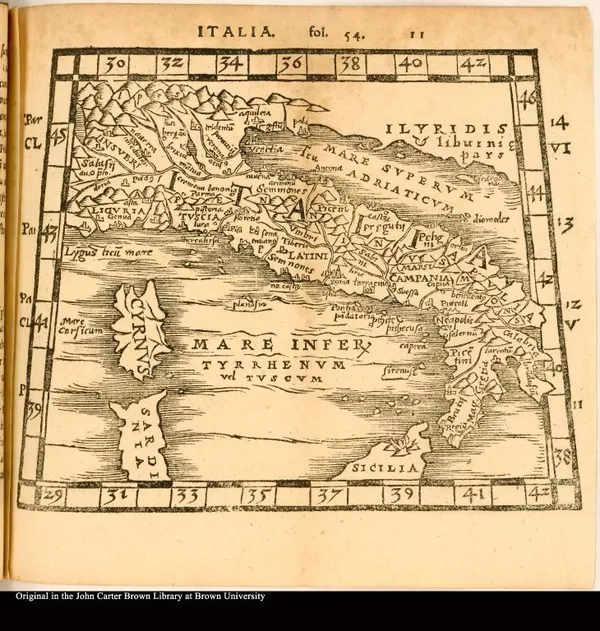
Italia [Italy]
1576
Geronimo Conestaggio, and others
Historien der Königkreich, Hispannien, Portugal, vnd Aphrica, darauss d...
1589
Fernando Pizarro y Orellana e.a.
Historia de las ordenes militares de Santiago, Calatraua, y Alcantara de...
1629
2. Astrologer
Natural astrology, which included medical astrology and what today would be considered astronomy, was not only permitted by the Catholic Church but was also widely practiced. The Inquisition prohibited judicial astrology, which predicted future events based on the positions of planetary and stellar objects in relationship to the Earth. In addition to astrological and astronomical texts, Pérez de Soto's collection included medical texts and also books that specifically addressed the cosmological influences on the city's inhabitants.
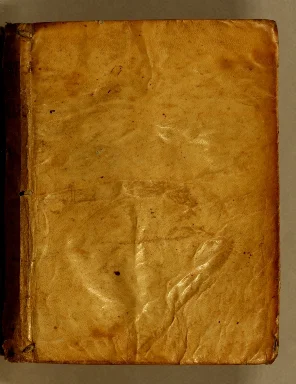
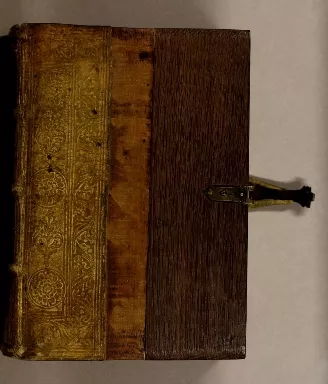
Nicolás Monardes e.a.
Primera y segunda y tercera partes de la historia medicinal de las cosas...
1574
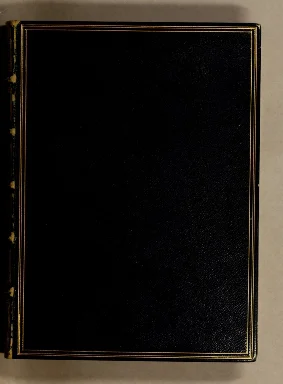
Francisco Hernández e.a.
Quatro libros. De la naturaleza, y virtudes de las plantas, y animales q...
1615
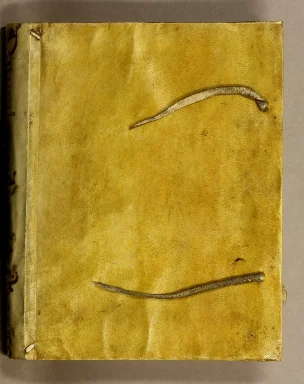
Fernando de Cepeda, and others
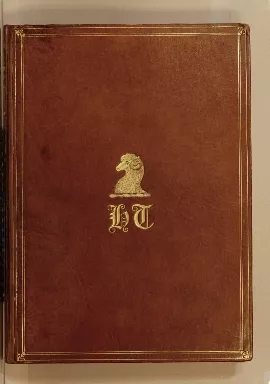
Relacion vniversal legitima, y verdadera del sitio en que esta fundada l...
1637
3. Religion and Church History
Judging by the books in his collection, Pérez de Soto was a devout and orthodox Catholic. His collection was rich on the history of Catholic missions, and even included a bilingual confession manual and a treatise on the question of whether drinking chocolate would break the fast. Though he had no aspirations for the clergy, he was perhaps as well read on religious topics as the Inquisitors he faced.
Pedro Morejon, and others
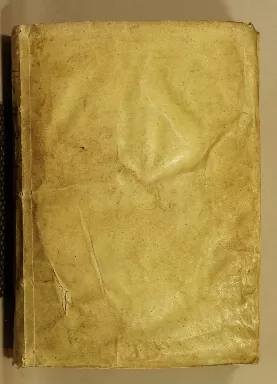
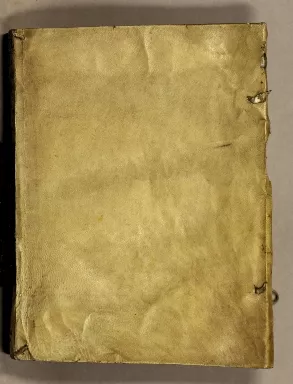
Relacion de la persecucion que vuo en la yglesia de Iapon: y de los insi...
1616
Agustín Dávila y Padilla
Historia de la fundacion y discurso de la prouincia de Santiago de Mexic...
1596
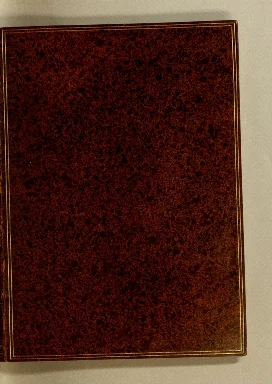
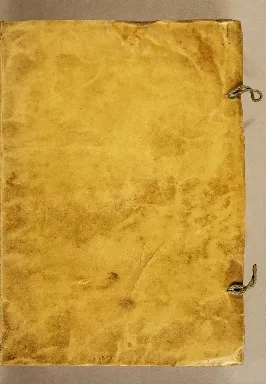
Antonio de León Pinelo, and others
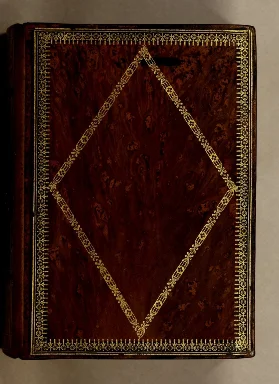
Question moral si el chocolate quebranta el ayuno eclesiastico. : Tratas...
1636
Juan de Palafox y Mendoza
Sitio y socorro de Fuenterrabía, y sucesos del año de 1638, escritos d...
1793
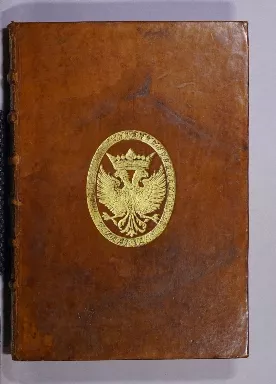
Gil González Dávila, approximately 1578-1658
Teatro eclesiastico de la primitiua iglesia de las Indias Occidentales :...
1649-1655, vol. 1
4. Literature, Language, and the Collection of a Polymath
Although Pérez de Soto had learned the rudiments of Latin at a young age, much to his peril, he did not develop a proficiency in the language. Many of the books in his collection, including some on judicial astrology, were in Latin, and Pérez de Soto regularly sent them out to be translated. One of his translators, Gaspar Rivero Vasconcelos, "free mulatto, student of Cannon Law, descendent of Portuguese, born in Tangier" as his Inquisition case describes him, was tried by the Inquisition for practicing astrology and his testimony prompted Pérez de Soto's arrest.
Pérez de Soto's eclectic collection was particularly strong on astrology, architecture and military science; those sections of the exhibit are on display at the John Hay Library, in the Gammell Room, the North Gallery and in the Reading Room.
Ambrogio Calepino e.a.
Ambrosii Calepini Dictionarium multarum dictionum additione et explanati...
1542
Agustín de Herrera e.a.
Construccion, y explicacion de las reglas del genero, conforme al Arte d...
1774
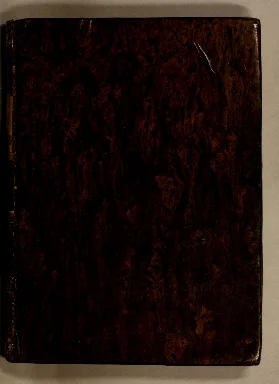
Alfonso e.a.
Libro de la monteria
Felipe Echegoyan, and others
Tablas de reduciones de monedas, y del valor de todo genero de plata y o...
1603
Antonio de León Pinelo, and others
Epitome de la biblioteca oriental i occidental, nautica i geografica.
1629, cop. 1
Credits
Exhibition curated by Kenneth Ward
Editorial Notes: Items Pending Integration
During the migration of our legacy catalogs and past exhibitions into Americana, there are occasionally items that cannot be immediately included in our new environment. This may happen for two reasons: the item in question is not yet cataloged, or it was lent by another institution.
Any items that are not integrated into Americana are included in this section and added to our processing queue.
51. Berrio de Montalvo, Luis. En informe del nuevo beneficio que se ha dado a los metales. Mexico: Francisco Robledo, 1643.
Berrio de Montalvo's treaties on the method of amalgamation to extract silver, also known as the patio process, recounts the history of its use in the New World, from 1557 in Mexico and 1571 in Peru. Scholars today still debate whether the patio process was invented in Europe or in Mexico.
Project Creator(s)
- The John Carter Brown Library