By a Lady: Women and Natural History in the Americas, 1650-1830 (JCB Digital Catalogue)
In seventeenth and eighteenth-century Europe, girls and women were encouraged to take up natural history as an educational and leisurely pursuit. In late eighteenth-century England especially, botany was increasingly regarded as an appropriate female activity that would stimulate moral and spiritual improvement. Most women studied local or European flora and fauna. However, there are some who travelled across the Atlantic as part of imperial networks – often as wives or daughters of navy officers, colonial administrators, or diplomats – to explore the natural history of places such as Surinam, Mexico, Antigua, and Brazil. Others remained in Europe but studied the plants and animals of the Americas through transatlantic correspondences or travel accounts.
This exhibition at the John Carter Brown Library explores the rich variety of ways in which European women contributed to the creation and dissemination of botanical and zoological knowledge of the Americas. From the collection, cultivation, and study of plants and insects to the production, translation, and illustration of travel journals, women were important contributors to the development of this scientific area of study that flourished in the context of empire.
This exhibition was curated by Lilian Tabois (PhD candidate, English and Related Literature, University of York).
Insects in the Americas
n the 16th and 17th centuries Europeans began to turn to insects as a new field of study. This was further stimulated by the work of, among others, Antoni van Leeuwenhoek (1632-1723), who used the microscope to study the morphology of insects, and Jan Swammerdam (1637-1680), who made important discoveries on the anatomy of insects. European interest in insects also grew because of the increasing number of travellers bringing back zoological specimens from overseas voyages of exploration. The JCB houses the works of Virginia Ferrar (1627?-1688) and Maria Sibylla Merian (1747-1717), two European women whose captivating work on insects both reflected and shaped this unfolding field.
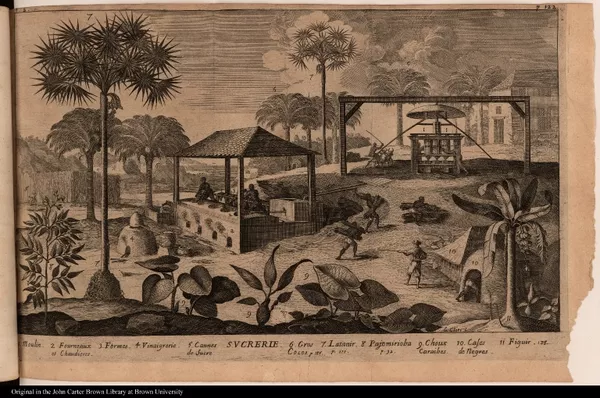
Sucrerie
1651-1700
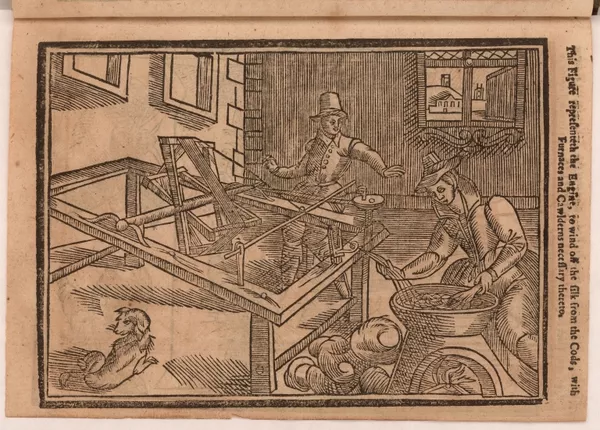
[Winding silk from the cocoons]
1601-1650
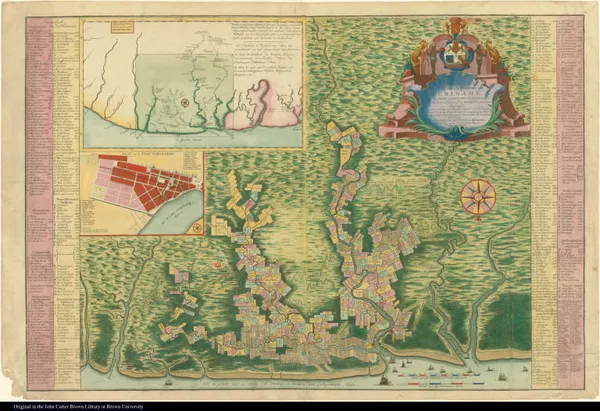
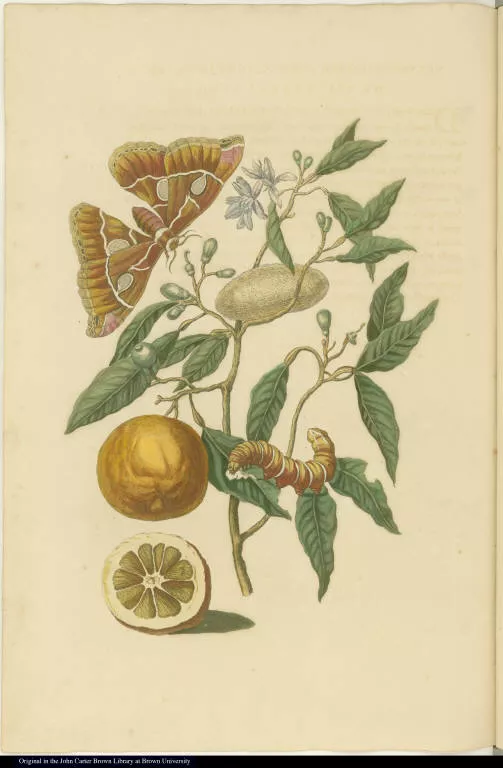
[Orange tree and insects]
1701-1750
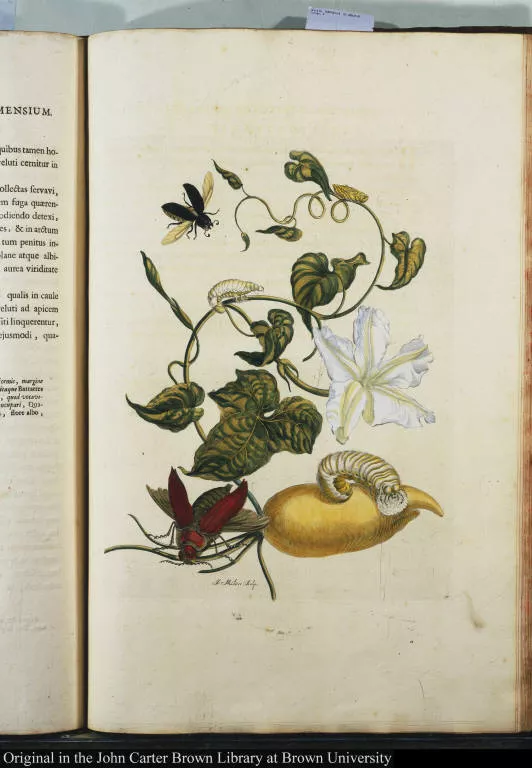
Maria Sibylla Merian, and others
Mariae Sibillae Merian Dissertatio de generatione et metamorphosibus ins...
1719-1705
The Flora and Fauna of the Caribbean
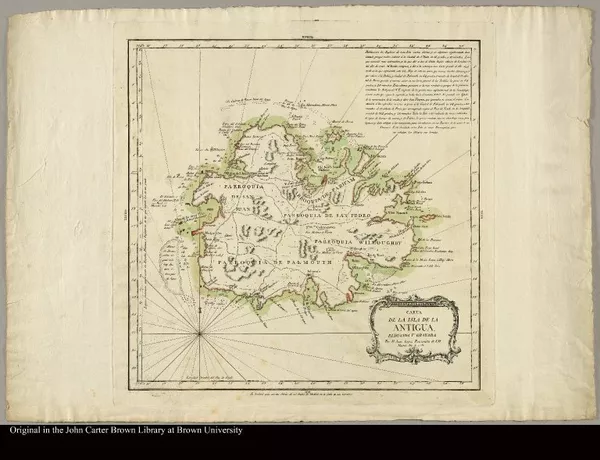
In the late eighteenth century it was not uncommon for elite and middle-class British women to accompany male relatives, often plantation owners or Royal Navy officers, on journeys to the British colonies in the West Indies. Curious to learn more about their new surroundings, some women set about studying, collecting, and recording the native flora and fauna of islands such as St Kitts, Jamaica, and Antigua. The JCB holds the natural history works of Maria Riddell (1772-1808) and Lydia Byam (baptized 4 September 1772 - ?), two eighteenth-century women who contributed to European botanical and zoological knowledge of the West Indies.
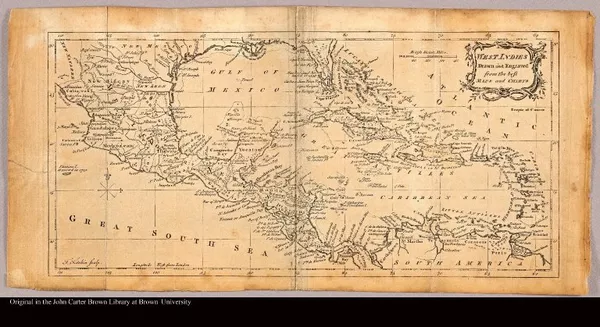
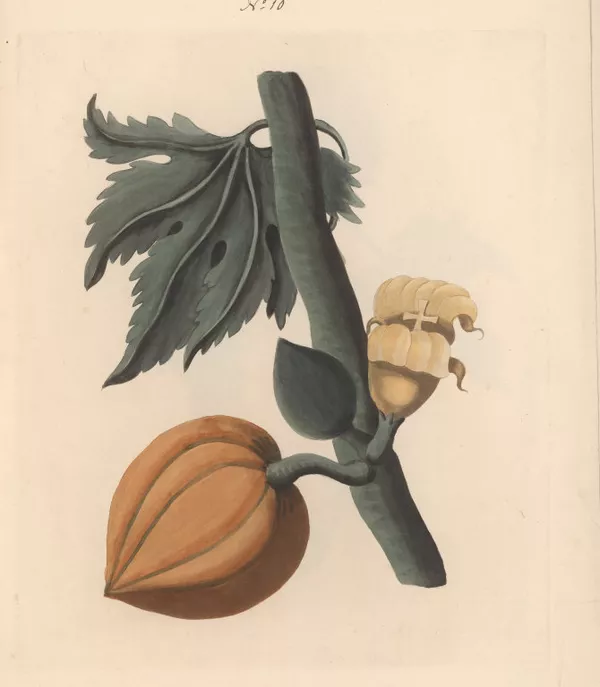
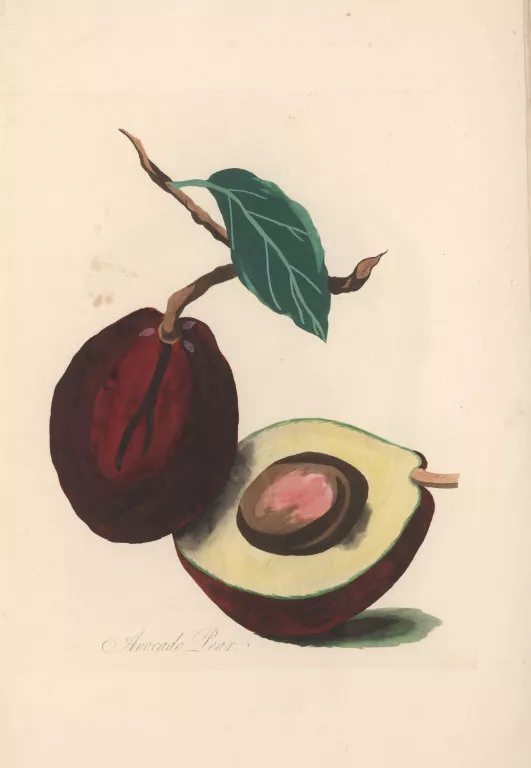
Avocado Pear.
1751-1800
Sketches of Latin America
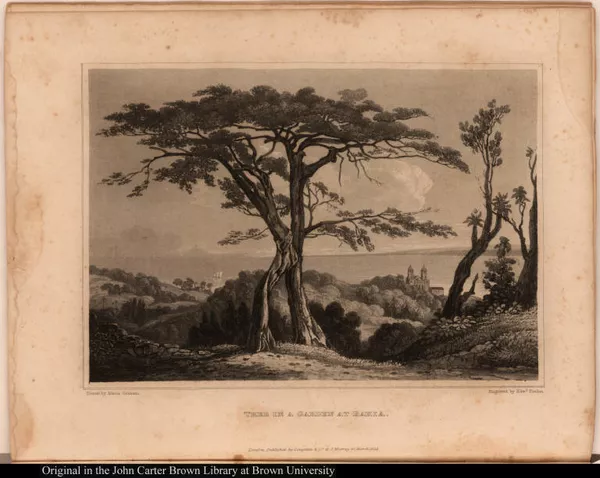
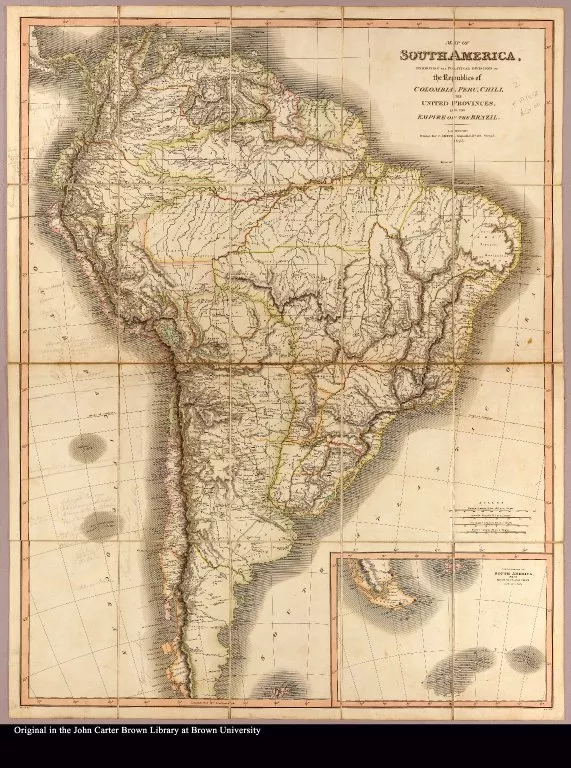
In the early decades of the nineteenth century, British merchants, diplomats, soldiers, and explorers travelled to Latin America in ever greater numbers. They travelled for different reasons: to fight in the independence armies of Simón Bolívar, to seek out mining or other commercial opportunities, or to explore the flora and fauna of places such as Chile, Brazil, Peru, and Mexico. Women would occasionally accompany male relatives on these long and often arduous travels. Unfortunately, very few women left written records of their travels, and even fewer published their accounts. The works that do exist, however, demonstrate that some British women engaged in botanical activities in Latin America. At the JCB we can find the works of two such women: Maria Graham (1785-1842) and Emily Elizabeth Ward (1798- 1882).
Natural History in Translation
Ward and Graham belonged to a select group of early nineteenth-century British women who travelled to Latin America and got to study the natural world with their own eyes. However, there were also women who contributed to natural history writing of the Americas without ever crossing the Atlantic. Helen Maria Williams (1759-1827) and Sara Coleridge (1802-1852), for example, translated influential travel narratives by European male travellers into English. In this period, translation was often seen as an inferior and derivative ‘feminine’ literary activity. But for Williams and Coleridge translation provided a way to access specialized botanical knowledge and participate in scientific discourse. In addition, their high-quality translations made the knowledge of Latin American flora and fauna contained in these works available in English for the first time.
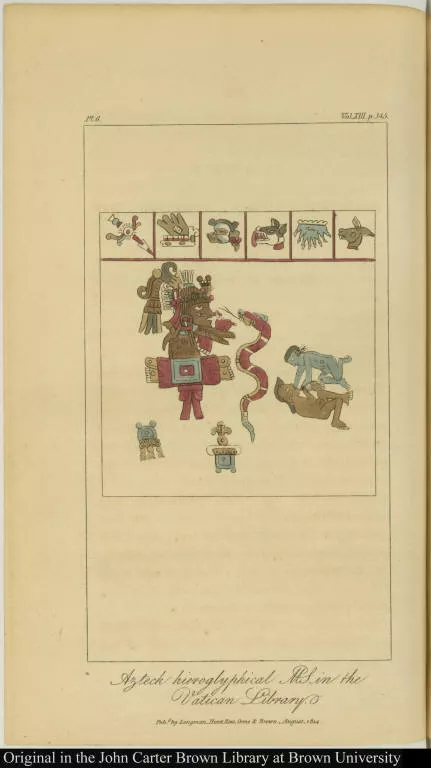
Alexander von Humboldt
Researches, concerning the institutions & monuments of the ancient inhab...
1814
Editorial Notes: Items Pending Integration
During the migration of our legacy catalogs and past exhibitions into Americana, there are occasionally items that cannot be immediately included in our new environment. This may happen for two reasons: the item in question is not yet cataloged, or it was lent by another institution.
Any items that are not integrated into Americana are included in this section and added to our processing queue.
Portrait of Maria Riddell: Maria Riddell (née Woodley, 1772-1808) was a British poet. Her father was a West-Indian plantation owner and governor of the Leeward Islands. In 1788 she travelled there with her parents, and in 1790, at the age of seventeen, she got married on St Kitts to Walter Riddell, lieutenant and plantation owner on Antigua. As a result of her travels Riddell published Voyages to the Madeira and Leeward Caribbean Isles: with sketches of the natural history of these islands (1792). Part travel journal, part natural history, the book gives a detailed and lively account of the flora and fauna of the Caribbean. Riddell was one of the first women to publish on the natural history of this region, and her account was lauded for its scientific detail and accuracy.
Emily Elizabeth Ward (née Swinburne, 1798-1882) grew up in Capheaton Hall, an English country house in the north of England. She learned drawing and painting from Irish painter William Mulready. In 1824 she married English diplomat Sir Henry George Ward. The couple sailed for Mexico in January 1825 after Ward had become chargé d’affaires in that country. They would stay in Mexico until 1827, meeting officials and inspecting mines around the country. Upon their return to England Henry Ward published his travel journal Mexico in 1827 (1828). Emily Ward provided the illustrations for the journal. These visuals reveal her keen interest in the natural world and her knowledge of Mexican plants and trees.
Project Creator(s)
- The John Carter Brown Library