Gateway to a New World (JCB Digital Catalogue)
The circumnavigation by Ferdinand Magellan, Sebastián Elcano, and their crews (1519-22) opened a maritime passageway that would come to be called the Strait of Magellan: a seafaring route that for the first time would connect the Atlantic and Pacific oceans through European navigation. This passage proved crucial for enabling global trade, and soon attracted the interest of other European explorers and their sponsors.
On the five hundredth anniversary of Magellan's circumnavigation, this exhibition explores the textual, material, and imaginative elements connected to centuries of navigation, mapmaking, and encounters between distinctive human and non-human realities that populated this narrow but expansive gateway to new worlds. The Strait of Magellan became the object of inter-imperial competition, boosted European imagination of unsuspected riches, and stimulated the production of scientific knowledge, changing relations between the region’s indigenous inhabitants and the outside world.
1. Controlling Cartographic Knowledge in Iberoamerica
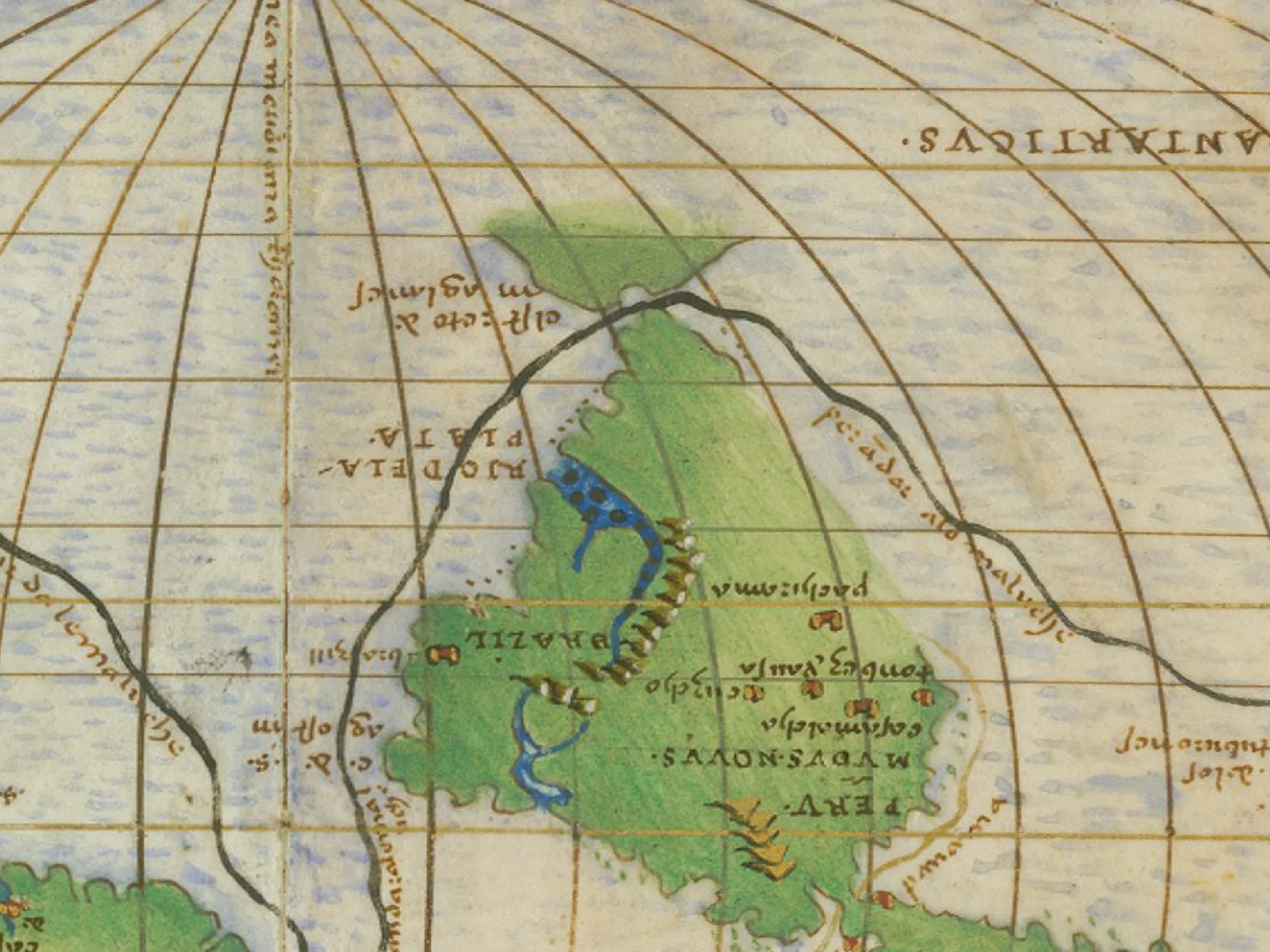
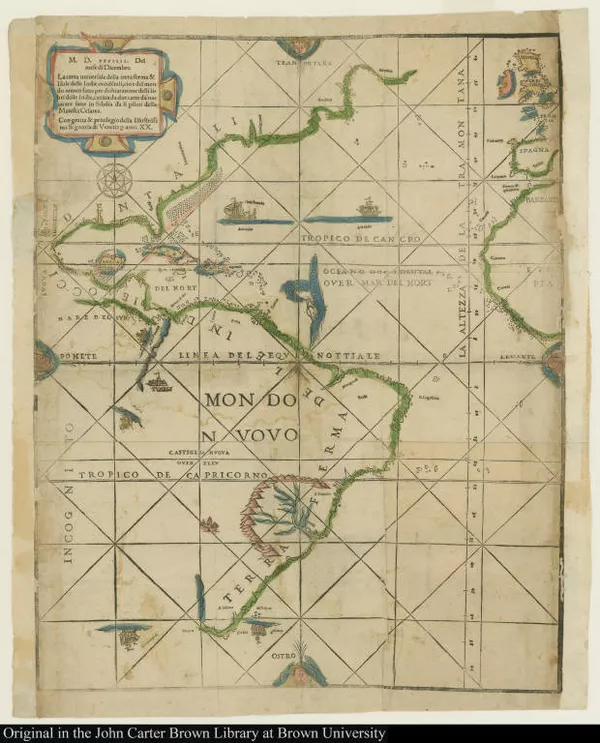
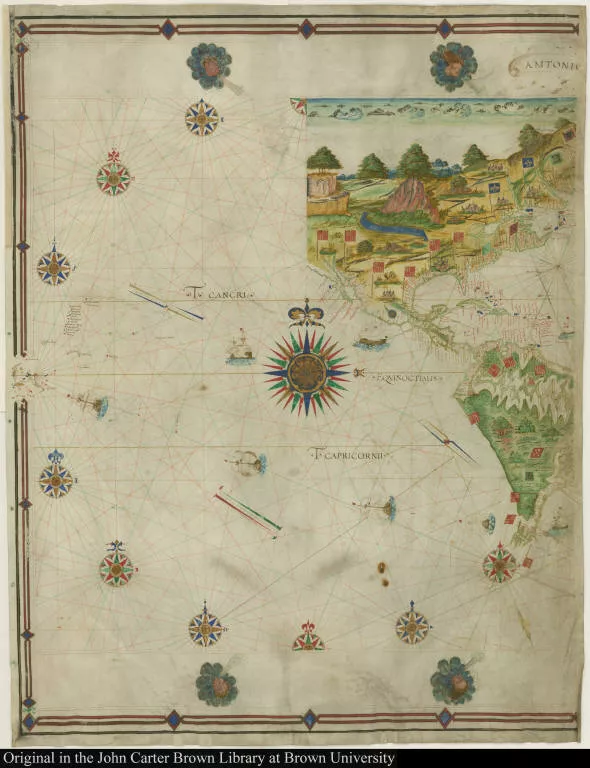
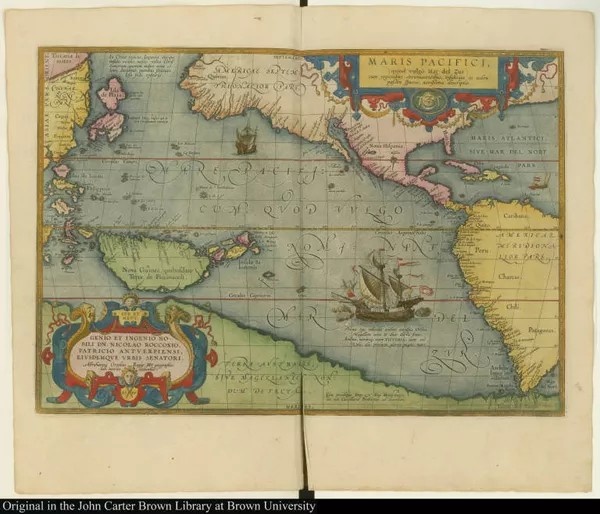
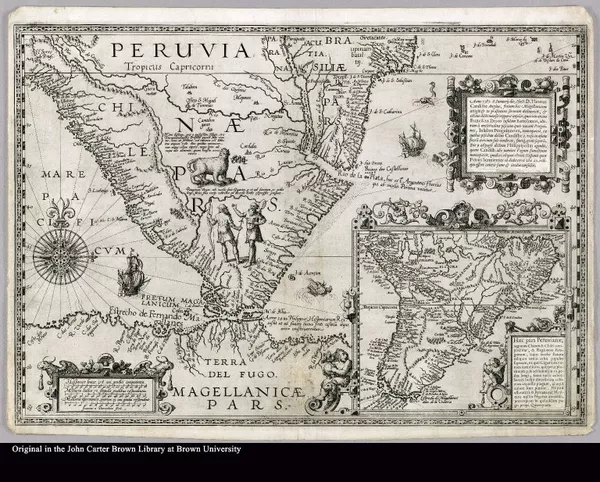
There was no maritime route known to Europeans that connected the Atlantic and the Pacific Oceans. The shipment of goods between these oceans took place overland through the isthmus of Panama. The establishment of the route around South America, controlled by the Spanish, revolutionized global navigation, and maps drawn after Magellan's voyage showed the dramatic changes in European knowledge about the region.
2. From “Spanish Lake” to Global Sea
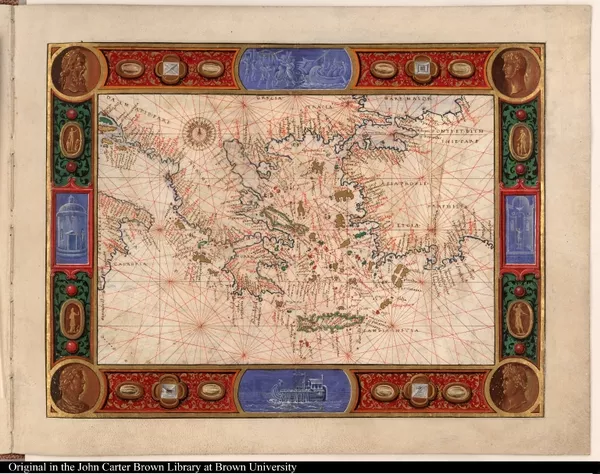
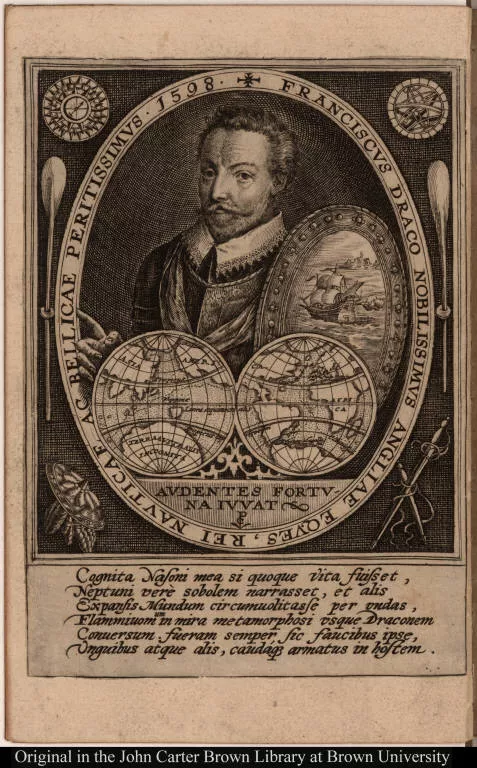
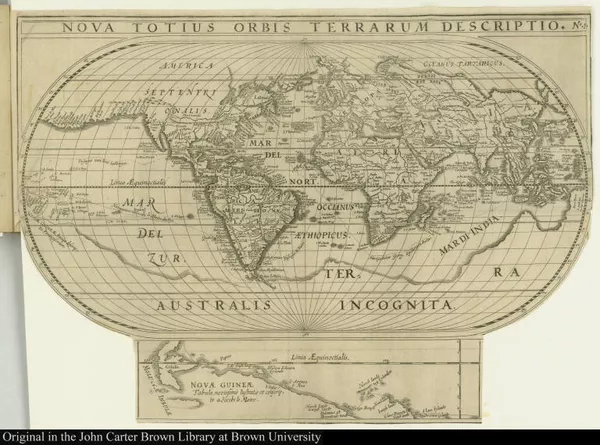
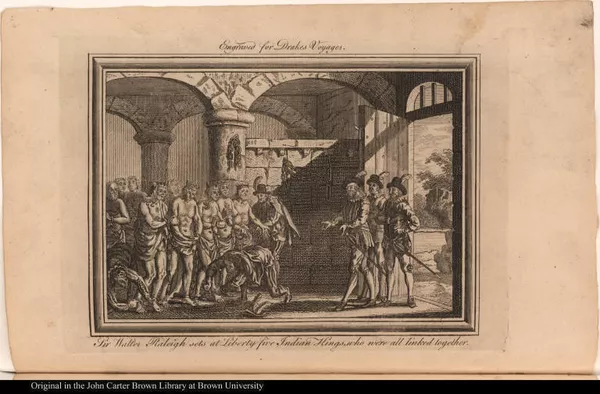
The 1494 Treaty of Tordesillas had divided the New World between Spain and Portugal, but the Iberian dominion over the Americas was immediately questioned by other European monarchies, which were excluded from this division of the non-European world. This exclusion caused the phenomenon of Atlantic piracy and triggered a race to break the Spanish monopoly, including the Spanish grip on the Strait of Magellan. The English and French monarchies, as well as the Dutch Republic, sent expeditions to attack Spanish overseas possessions and to acquire knowledge about this strategic passage, ultimately leading to competing claims to the route and to the region.
Willem Corneliszoon Schouten, and others
Iournal ou description du merveilleux voyage de Guilliaume Schouten, Hol...
1618
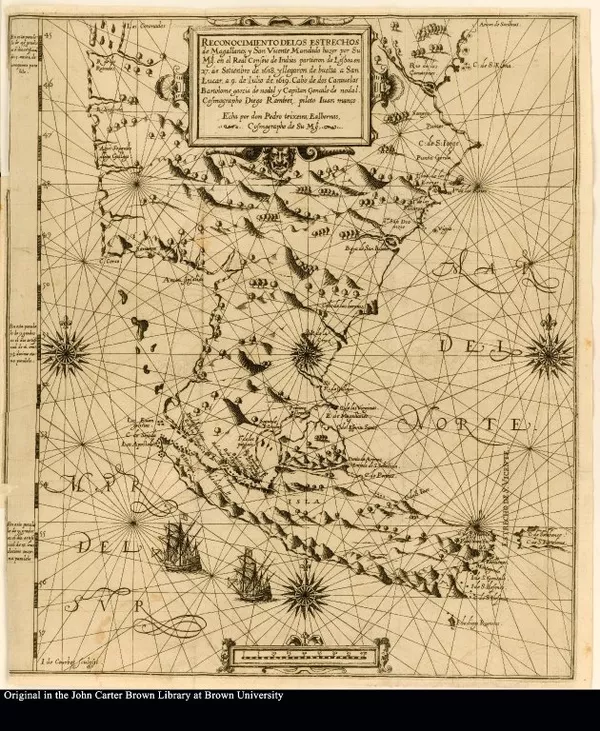
Jean (1592-ca. 1641) Courbes e.a.
Reconocimiento delos estrechos de Magallanes y San Vicente Mandado hazer...
1621
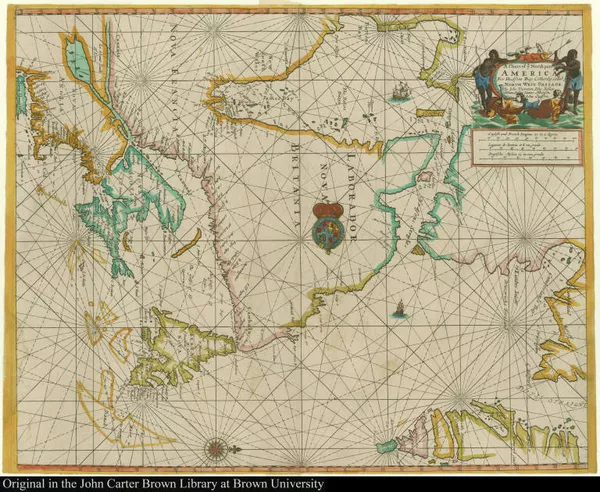
3. Europeans imagine America’s southernmost lands
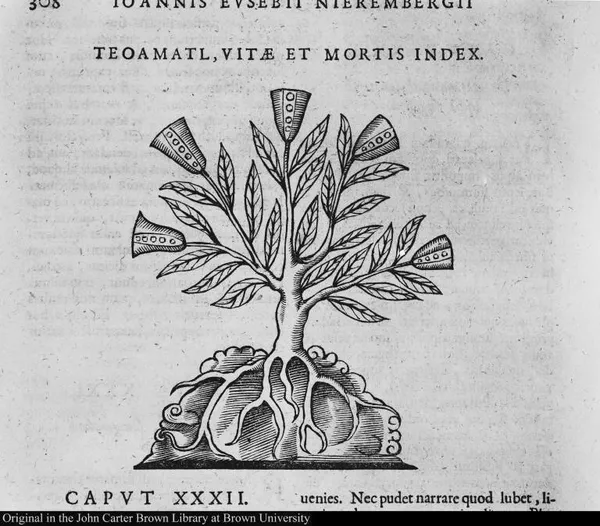
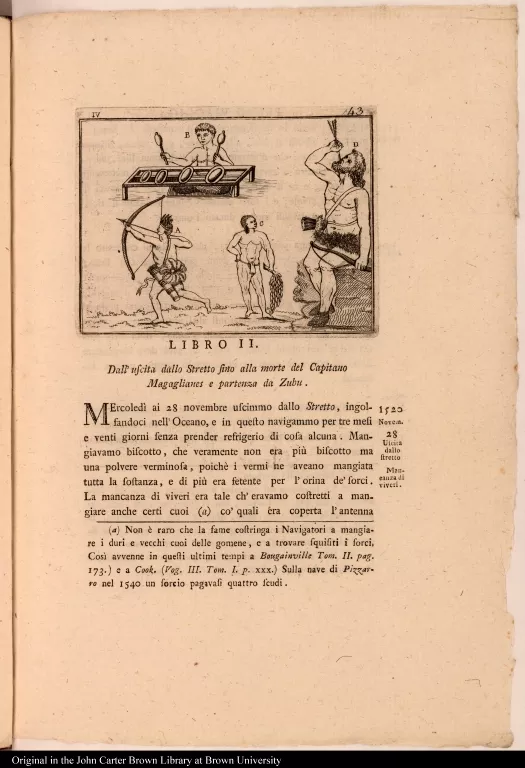
The "Discovery" of the Strait of Magellan sparked a new wave of exploration in the extreme South. Europeans were amazed by indigenous peoples whom they had never before seen – such as the "gigantic" peoples of Patagonia – and by utterly unfamiliar flora and fauna, including penguins and the so-called "sea-wolves." These new geographies powerfully stimulated the European imagination about these Austral lands, generating new visions, dreams, and nightmares about the extent and potential of human, animal, and plant life.
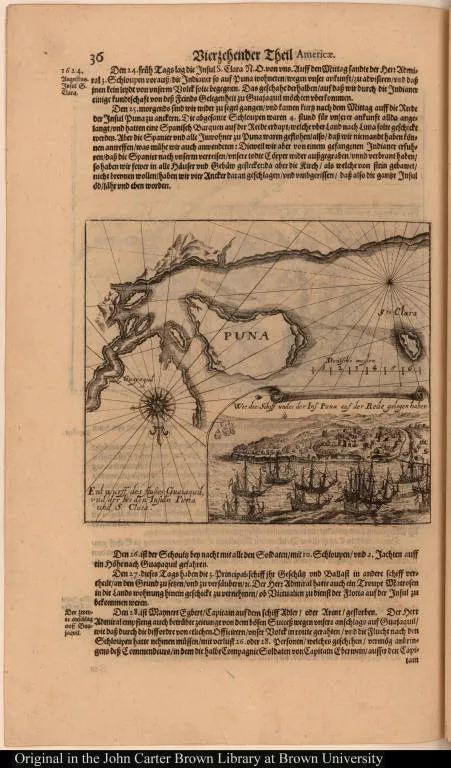
[Guayaquil and the isla Puná]
1601-1650
Jean Baptiste Bourguignon d'Anville
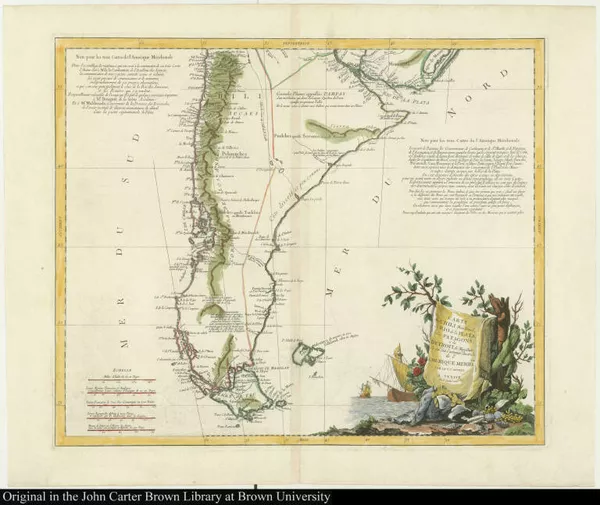
Carte du Chili Méridional du Rio de la Plata, des Patagons, et du Détroi...
1779
4. Beyond imagination: American realities
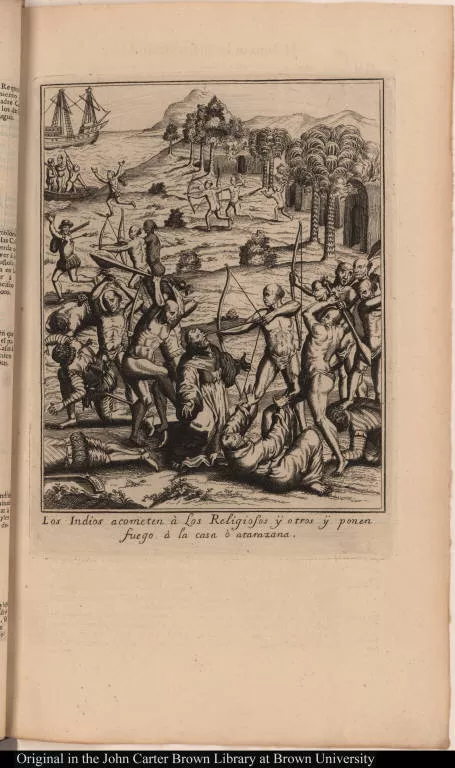
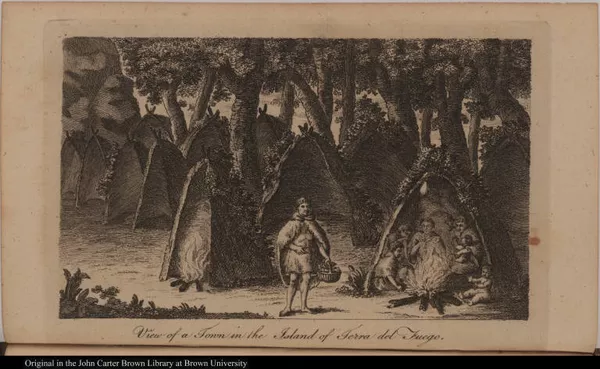
Leaving aside the European imagination, the region of the Strait of Magellan was inhabited by diverse communities such as the Tehuelches (or "Patagones"), Selk'nam/Onas, and the Kawésqar/Alacalufe and the Yaghans/Yámana. At their first encounter with these peoples in the sixteenth century, Europeans were shocked at the many cultural differences they observed, such as how little clothing these groups wore given the extreme climate conditions. Perceived as "barbarians," indigenous peoples of these southern regions endured the violence of ranchers, farmers, and gold prospectors from Europe, Argentina, Chile, and later, the United Kingdom and the United States, culminating in their extinction in the twentieth century. By contrast, the region's flora and fauna held considerable fears for Europeans but no real threats.

5. The southern passage and early modern globalization
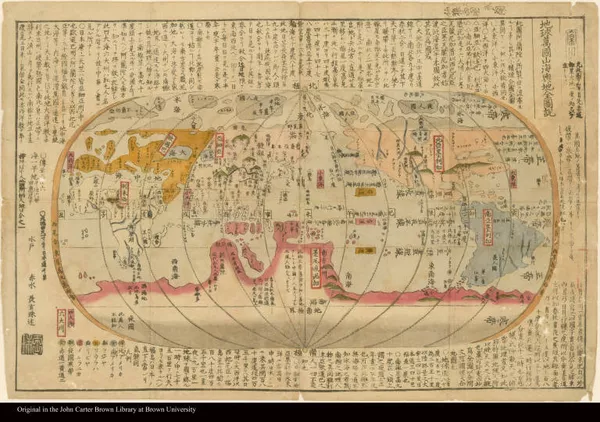
The route around South America became instrumental for global trade, since it facilitated the movement of peoples, goods, plants, animals, and ideas among societies bordering the Atlantic, Pacific, and even the Indian Oceans. The opening of the Southern passage allowed for new routes connecting the Americas to the Far-East and gave birth to our globalized world.
[Indians of South America]
1751-1800
Credits
This exhibition was curated by Beatriz Marín-Aguilera, Elizabeth Montañez-Sanabria, and Fabrício Prado, with assistance from Bertie Mandelblatt.
Editorial Notes: Items Pending Integration
During the migration of our legacy catalogs and past exhibitions into Americana, there are occasionally items that cannot be immediately included in our new environment. This may happen for two reasons: the item in question is not yet cataloged, or it was lent by another institution.
Any items that are not integrated into Americana are included in this section and added to our processing queue.
The route to the Pacific and the China trade
By the turn of the nineteenth century, navigation around South America became the preferred route for trade between the Americas and Asia until the opening of the Panama Canal in 1903. The journal of Benjamin Dexter, supercargo of the Rhode Island ship the Tyre, documents the importance of the Southern passage connecting the Atlantic and the Pacific for New England's China Trade.
[Arnold Family Business Records: Journal of a voyage around the World Ship Tyre, 1800-1803].
Global consumers
By the nineteenth century, people in the
Americas coveted exotic and luxurious Asian
goods. In addition to their practical uses,
Asian products’ relative rarity conferred an
elite status on consumers in the Americas
and in Europe. These Chinese Lotus shoes,
footwear designed to be worn by women
with bound feet, are an example of the curiosity
and dreams of exoticism that Asian cultures
provoked among Western collectors.
Lotus shoes
Unknown maker
Chinese, 20th century
Silk, cotton
Haffenreffer Special Fund Purchase (2013-25-1)
A world of commerce
This 1818 list of United States vessels in the
port of Valparaíso, Chile illustrates the significance
of the Southern passage for global
commerce. The ships’ itineraries reveal
commercial routes connecting the port cities
in different continents, including but not
limited to Rio de Janeiro (Brazil), Coquimbo
(Chile), Lima (Peru), Calcutta (India), California
(US), London (UK), and Le Havre
(France).
Brown Family Business Records, Estanislao Lynch,
Prices Current and List of Vessels arrived at Valparaiso
Between July 1st and Sept. 1, 1818.
Miniature baskets
Unknown makers
Fuegian, collected late 19th century
Punta Arenas, Chile
Wicker, horsehair, dye
Rudolf F. Haffenreffer Collection (61-51.1-.6; 61-76; 61-
79; 61-80; 61-181; 61-337)
Arrow
Unknown maker
Fuegian, collected 19th century
Tierra del Fuego, Patagonia
Wood, sinew, glass, feather
Rudolf F. Haffenreffer Collection (57-198b)
Project Creator(s)
- The John Carter Brown Library