Jamestown Matters (JCB Digital Catalogue)
Four hundred years ago, on May 14, 1607, 108 men and boys stepped ashore at Jamestown, Virginia. Over the next fifteen years, the Virginia Company of London sent four or five thousand more colonists. Never assured of success, the colony bungled on and against great odds the colonists and their supporters succeeded in founding the first permanent English settlement in North America on the swampy bit of Virginia named in honor of the English king, James I. Transplanting Englishmen to North American soil, stymied by official negligence and personal hubris, wasn't easy and posterity has judged the effort both a disastrous fiasco, as well as a great success.
In this exhibition commemorating the 400th anniversary of the English settlement at Jamestown, the John Carter Brown Library has an opportunity to showcase an extraordinary gathering of "foundation" books in our collection. In order to encourage "adventurers" (investors) and "planters" (colonists) the Virginia Company of London published nine tracts between 1609 and 1615 that described in glowing terms the opportunities presented by the new colony on the James River in Virginia. These publications are one of our most important sources of information about the early years of the colony, and until 1997 the Library had all of them but one. In that year we were fortunate to receive from Mr. Paul Mellon the gift of Richard Rich's Newes from Virginia, London, 1610 (see left), which completed the collection.
1. France and Spain on the North American Coast
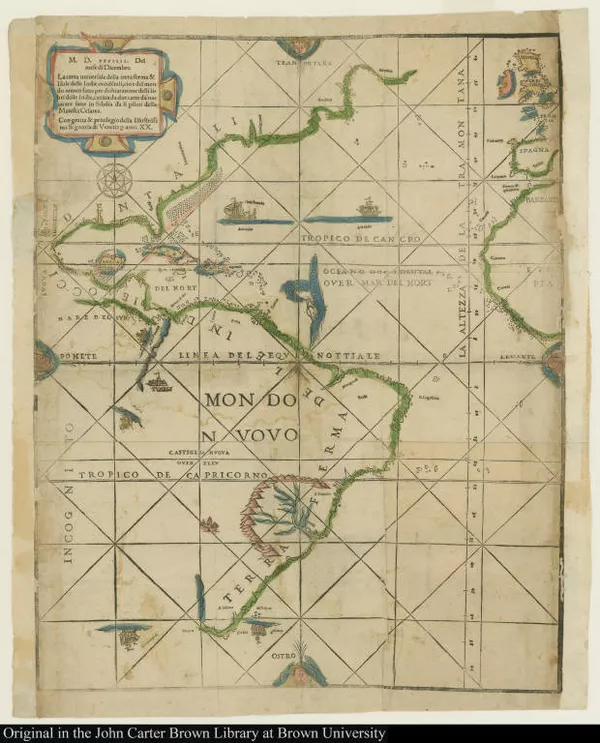
At the beginning of the sixteenth century explorations under John and Sebastian Cabot disclosed a substantial part of the northernmost coasts of North America, but the time was not yet right for English colonizing ventures and these voyages were not followed up. The next several decades saw the extended coastline of eastern North America from Newfoundland to Florida revealed by French and Spanish reconnaissance voyages, but as none of the ventures found rich natural products to exploit, those early explorations did not lead to attempts at settlement either. Spain did make a few tentative gestures in Florida between 1521 and 1561, but a permanent presence was not established until their interests were challenged by French Protestants who staked out colonies in what is now South Carolina at Port Royal in 1562 and Charlesfort in 1565. Pedro Menéndez Avilés was sent to put a stop to these incursions and his successful destruction of the French colonies and the foundation of a Spanish outpost at St. Augustine left Spain in control of the southeast coast of North America.
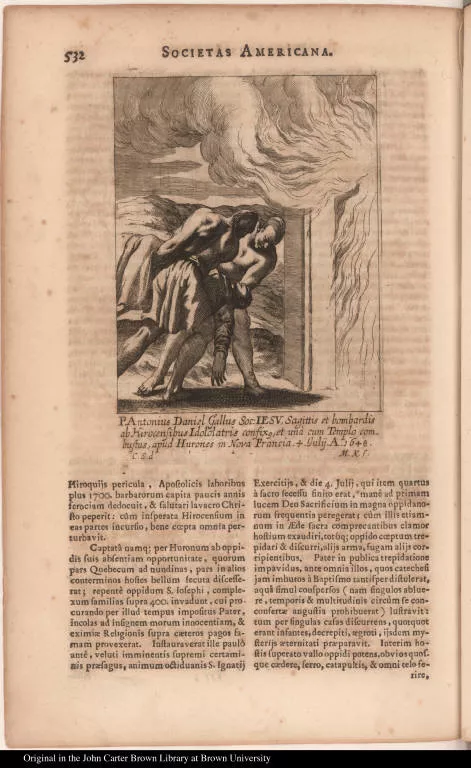
Karel Skréta e.a.
P. Antonius Daniel Gallus Soc: Iesu, Sagittis et bombardis ab Hirocensib...
1651-1700
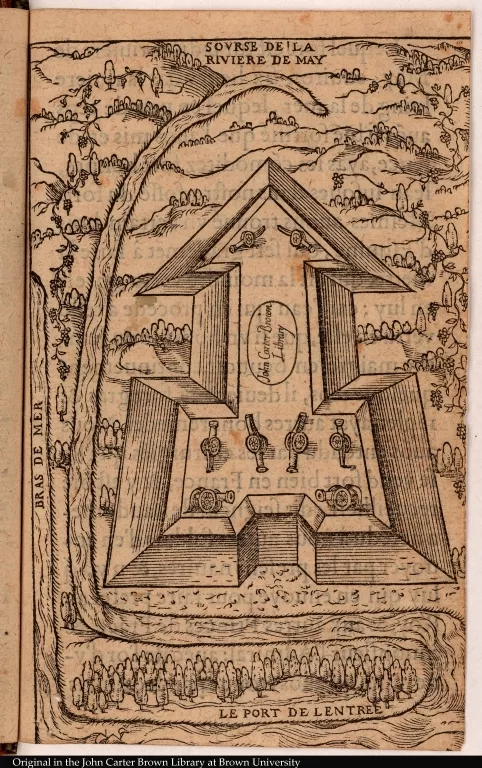
[Fort Caroline]
1492-1600
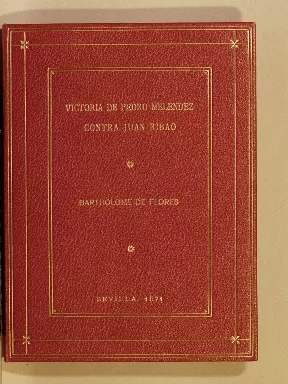
Bartolomé de Flores
Obra nueuamente compuesta, en la qual se cue[n]ta, la felice victoria qu...
1571
2. Stirring up English Interest
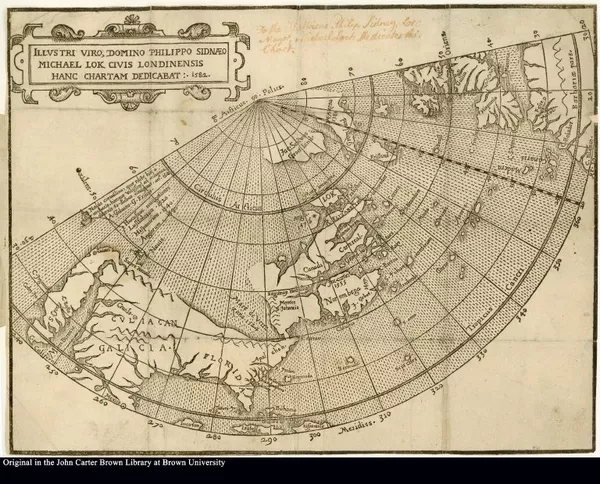
Since the time of Columbus, Spain and Portugal had established a New World presence while England had continued to focus primarily on European trade. It was not until economic depression forced a reconsideration of this traditional stance that England had need to confront the organized and well-established maritime activity of her competitors. English attention did not immediately focus on North America but on the further development of eastern markets, an economic goal that would be supported by the discovery of a practical passage through the barrier of North and South America. A major problem, however, was the lack of geographical and navigational information available in the English language to inform potential mariners, adventurers, and financial backers about New World possibilities. As a result, most English voyages in the early sixteenth century were led or guided by foreigners and patriotic Englishmen looked for ways to address this deficiency.

Richard Hakluyt
Diuers voyages touching the discouerie of America : and the ilands adiac...
1582, cop.1
3. The Beginning of the Virginia Venture
At the opening of the seventeenth century, England cast a speculative eye on North American possibilities. The business objective of the Virginia Company of London was profit for its investors, but colonization of Virginia was also a national enterprise and a godly mission to convert the heathen to Christianity. The Englishmen who landed in Virginia processed what they saw through their own previous experience. Some, like John Smith, had already traveled widely and their acquaintance with peoples of other cultures shaped their responses to the Americans they encountered in Virginia; others had spent their lives until then at home in England. But all the colonists puzzled their way through Native American culture, trying to understand it in relation to their own, not realizing that many of the Americans they met had had previous contact with European castaways, deserters, fishermen, and explorers throughout the course of the previous century and, in some cases, probably knew more about European ways than the newcomers could ever have imagined.
These early accounts are lively, written by men with strong opinions and an equally strong desire to persuade the reader to their point of view. Some of the writers had first-hand experience of conditions in Virginia, while others were armchair critics or supporters, but the language of all of them is colorful with a sense of immediacy. Navigating this minefield of impassioned accounts––constructed in almost equal measure from on-the-spot observation and hearsay––has presented problems of interpretation for generations of historians and will, no doubt, continue to do so into the future.
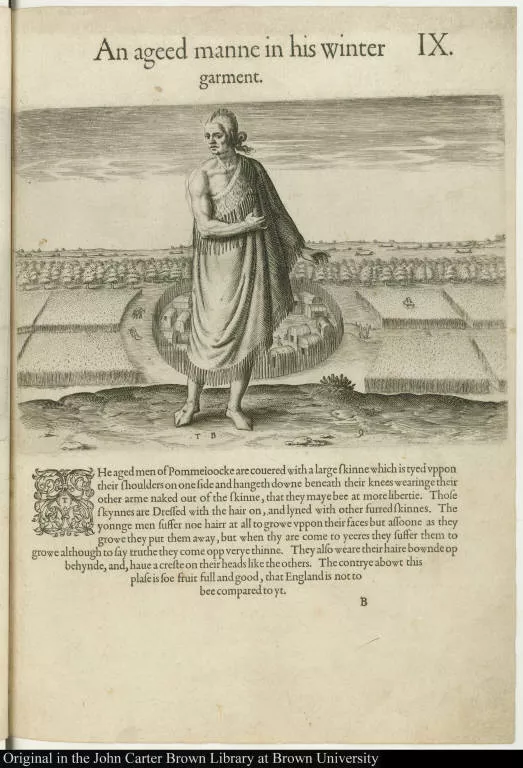
Postscript to the Lost Colony
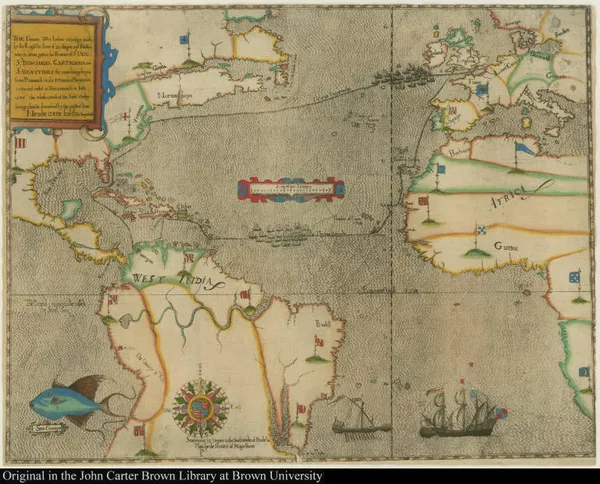
In 1587 Raleigh sent a third expedition to Roanoke under the command of the artist, John White, which was made up of families who intended to build a life in Virginia. White’s daughter was among them and she gave birth that summer to Virginia Dare, the first English child born in Virginia. But the colony soon grew short of supplies and White returned to England to arrange for additional support. The attack of the Spanish Armada in 1588 disrupted their plans and when White was finally able to return to the colony in 1590, Roanoke was deserted. The fate of the colonists has been shrouded in mystery and legend ever since. This failure at Roanoke interrupted English colonial ventures until Elizabeth I died in 1603 and her successor, James I, made peace with Spain.
4. John Smith and Jamestown, 1607-1609
At the beginning of the sixteenth century explorations under John and Sebastian Cabot disclosed a substantial part of the northernmost coasts of North America, but the time was not yet right for English colonizing ventures and these voyages were not followed up. The next several decades saw the extended coastline of eastern North America from Newfoundland to Florida revealed by French and Spanish reconnaissance voyages, but as none of the ventures found rich natural products to exploit, those early explorations did not lead to attempts at settlement either. Spain did make a few tentative gestures in Florida between 1521 and 1561, but a permanent presence was not established until their interests were challenged by French Protestants who staked out colonies in what is now South Carolina at Port Royal in 1562 and Charlesfort in 1565. Pedro Menéndez Avilés was sent to put a stop to these incursions and his successful destruction of the French colonies and the foundation of a Spanish outpost at St. Augustine left Spain in control of the southeast coast of North America.
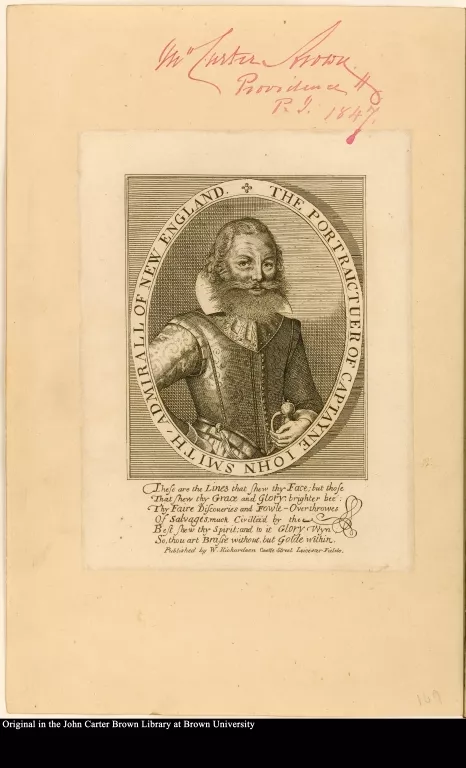
John Smith, and others
A map of Virginia. : VVith a description of the countrey, the commoditie...
1612
Counseil for Virginia (England and Wales)
A true declaration of the estate of the colonie in Virginia : with a con...
1610
5. A Second Chance for Jamestown
Some months after A true declaration was published the Company learned of the survival of Sir Thomas Gates. In May, 1610, Gates and his men appeared at Jamestown—a year late—in a ship they had constructed from the remains of the one wrecked on Bermuda. Shocked at the conditions at Jamestown, "so full of misery and misgovernment," Gates decided to abandon the colony and return to England. As the Jamestown survivors sailed down the James River they encountered the longboat of the new Governor de la Warre, who had just entered the James with 400 men and supplies for a year. The Jamestown government was formally handed over to de la Warre and the colony, instead of being abandoned, was given another chance to succeed.
6. Settlement Encouraged
In the first decades of the seventeenth century England was widely perceived as overpopulated. Repeated harvest failures and outbreaks of plague made emigration to America an option for many who would otherwise not have considered leaving. When it became clear that in Virginia wealth was not going to come from trade with the Indians, but rather from the development of commodities produced by cultivating the land, colonial leaders began to revise the old settlement model. Instead of a small military unit—the "outpost" of the early years when trade with the Indians was the primary focus—large-scale cultivation required large-scale migration of English labor. To make life in Virginia more appealing, land ownership, attainable by only a fortunate few in England, was offered on easy terms. Offered as well were provisions for greater local economic and political autonomy than was usual in England.

Counseil for Virginia (England and Wales)
A declaration of the state of the colony and affaires in Virginia : with...
1620, cop. 1
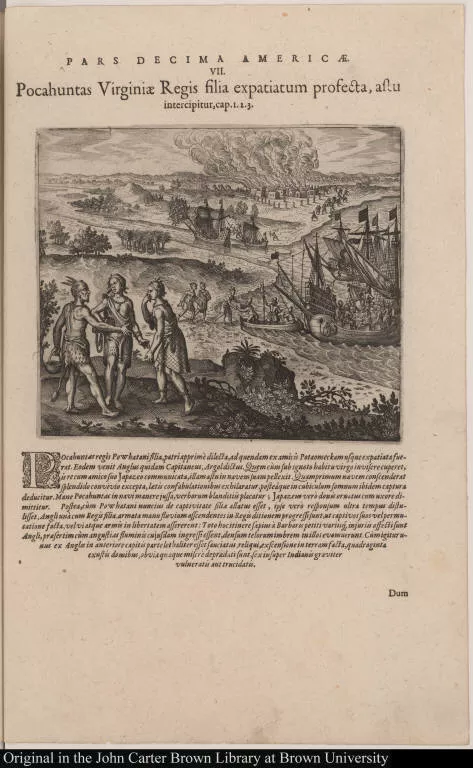
Amerigo Vespucci, and others
Americae pars decima : quae continentur, I. Duae navigationes Dn. Americ...
1619
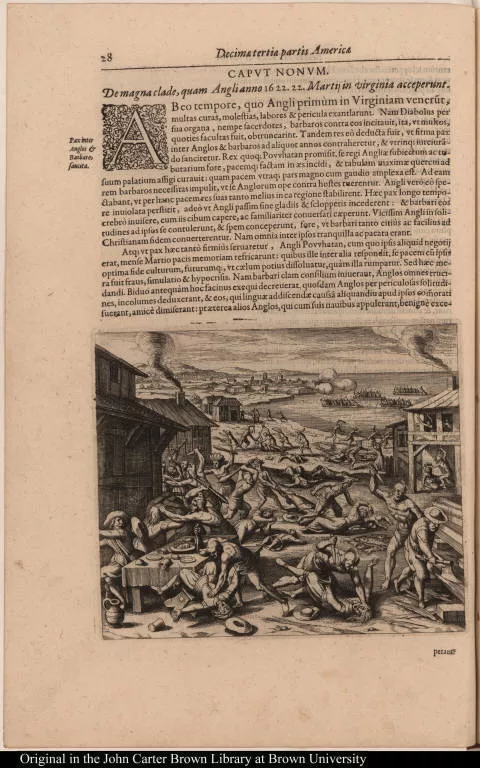

Edward Waterhouse, colonist, and others
A declaration of the state of the colony and affaires in Virginia. : Wit...
1622, cop. 2

7. Virginia Commodities
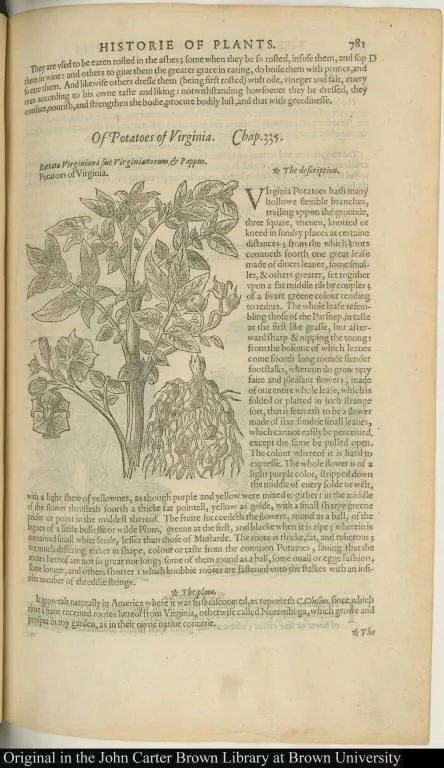
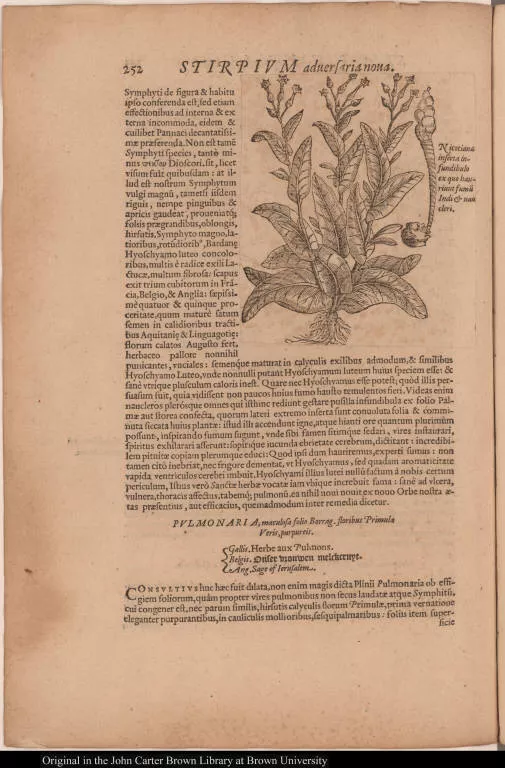
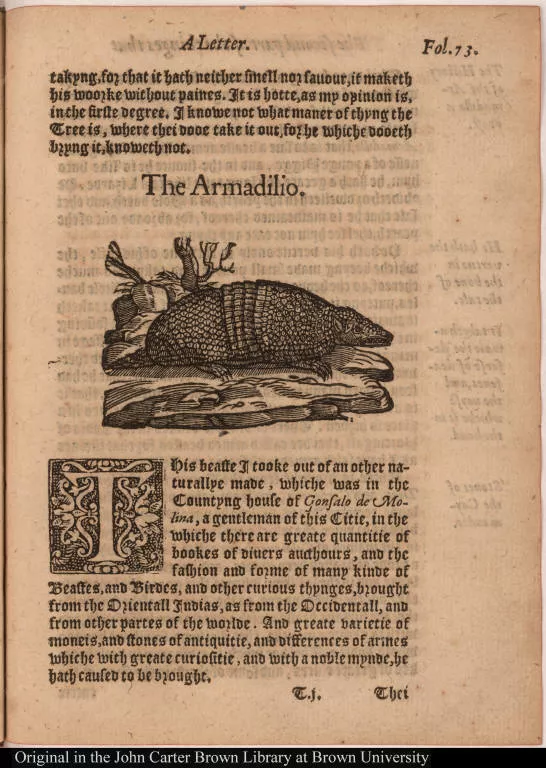
[The Armadilio.]
1492-1600
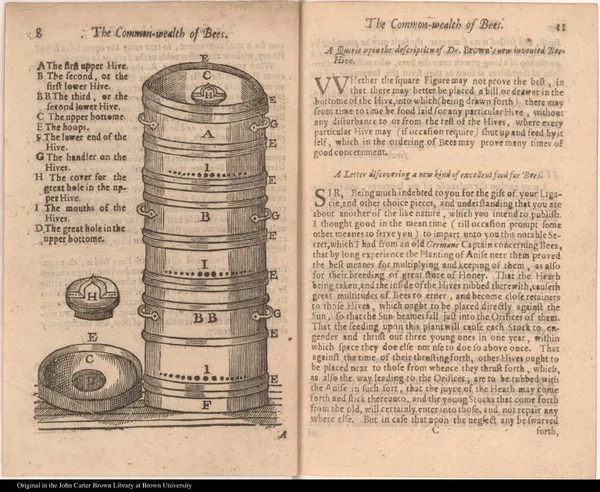
[Bee Hive]
1651-1700
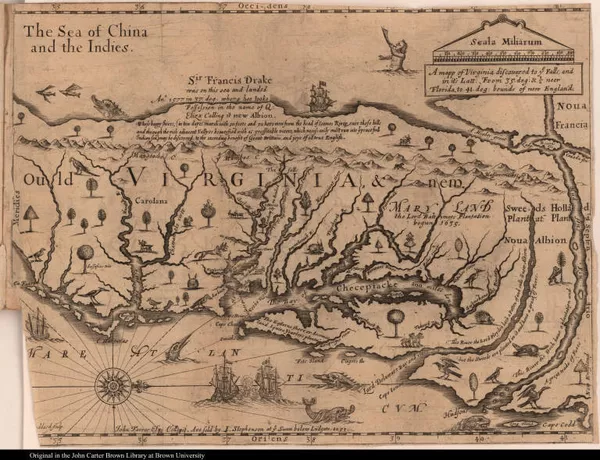
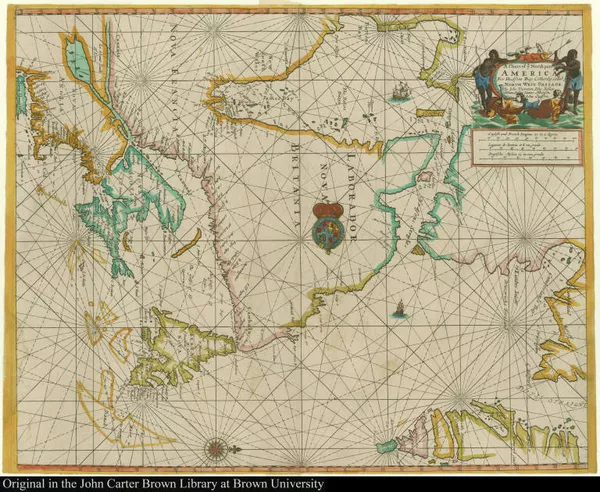
John Bonoeil, and others
His Maiesties gracious letter to the Earle of South-Hampton, treasurer, ...
1622
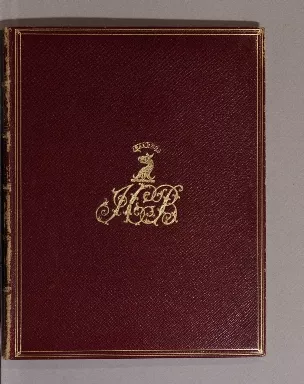
John Smith, and others
Advertisements for the unexperienced planters of New-England, or any whe...
1631
Credits
Exhibition prepared by Susan Danforth.
Editorial Notes: Items Pending Integration
During the migration of our legacy catalogs and past exhibitions into Americana, there are occasionally items that cannot be immediately included in our new environment. This may happen for two reasons: the item in question is not yet cataloged, or it was lent by another institution.
Any items that are not integrated into Americana are included in this section and added to our processing queue.
[21] A Civilized Society
"The table of such as are required to this plantation." [Virginia Company of London]. A true and sincere declaration of the purpose and ends of the plantaion begun in VIrginia. (London, 1610).
This Company pamphlet focuses on the future of Virginia, outlining past problems and possible solutions. It provides a list of the types of skilled workers required for a successful plantation and announces that surviving Roanoke settlers had been reported in the vicinity who could be counted upon to provide aid to the new arrivals. Of course, the "lost colonists" of Roanoke would not appear.
[39] A Perfect Solution
"Comparison between the gain And labour of tobacco and silk." [Samuel Hartlib.] The reformed Virginian silk-worm. (London, 1655).
This contrast between the efforts of silk and tobacco cultivation is unrealistically weighted in favor of silk. Elsewhere in his book Hartlib suggests that raising silk is a tedious, simple task, a perfect fit for the simple Indian and a perfect way for Native Americans to earn the money to purchase English trade goods.
“And also to the good hopes. that the Indians, seeing and finding that there is neither art, skill, or pains in the thing: they will readily set upon it, being by the benefit thereof inable to buy of the English (in way of truck for their silk-bottoms) all those things that they most desire.”
Project Creator(s)
- The John Carter Brown Library