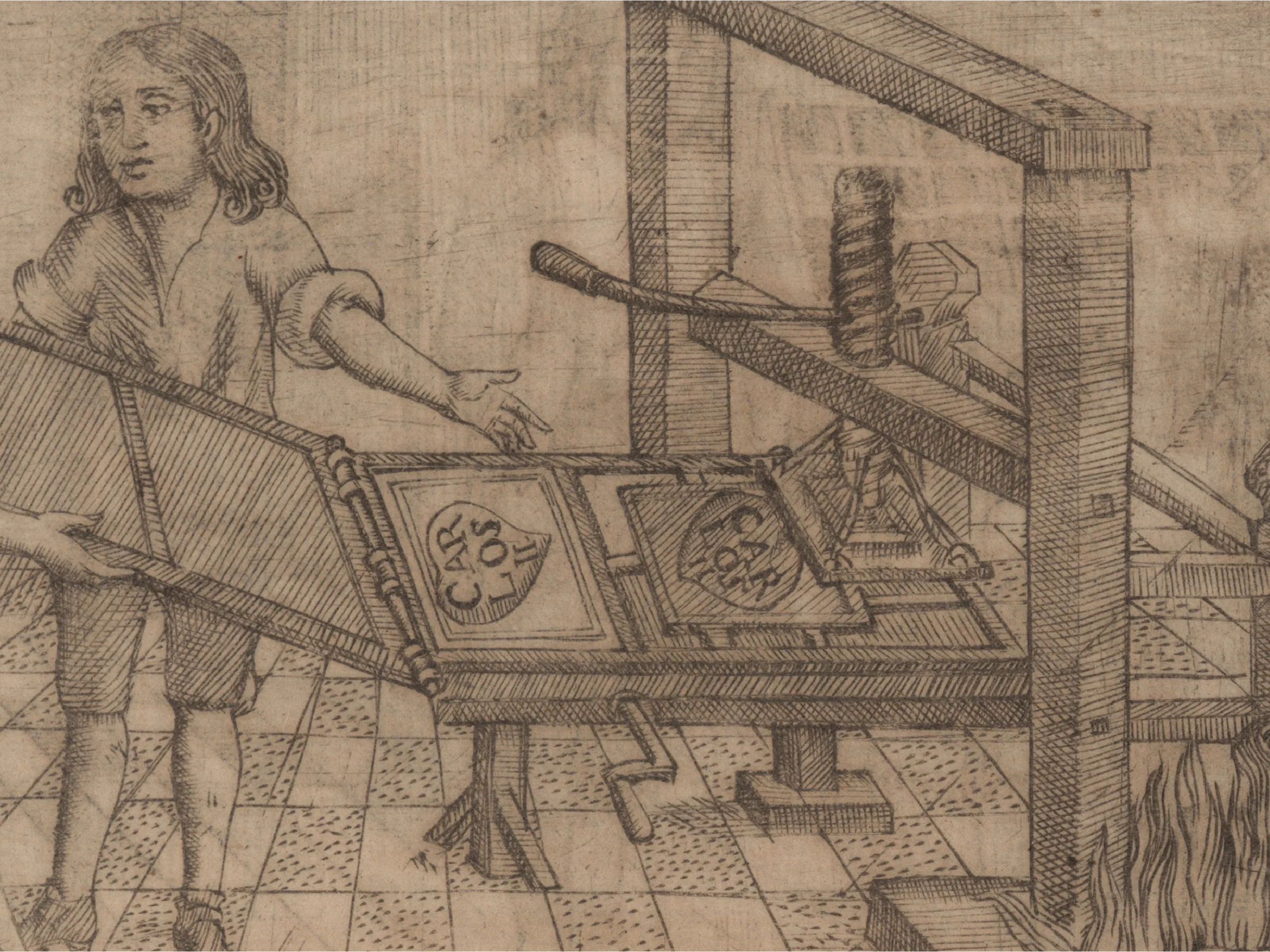
Printer's Devils :: Printer's Delights (JCB Digital Catalogue)
This exhibition draws on the John Carter Brown Library's unparalleled collection of Spanish American imprints to celebrate the 475th anniversary of the introduction of printing to the Americas. The subject is vast, and there are many opportunities for original research that have yet to be explored. The progress of the press from Mexico City in 1539, to Lima in 1584, and then elsewhere throughout Spanish America, is represented in the MacMillan Reading Room simply by two early examples from these cities. Instead, the exhibition addresses topics such as the printing houses and printing presses; paper, ink, and type; the often-anonymous apprentices and journeymen; bookbinding, and more. Illustrated with examples drawn from the John Carter Brown collection, these are supplemented by materials on loan from the Providence Public Library, and surrogates of materials from the Nettie Lee Benson Collection at the University of Texas at Austin, and Mexico's National Archive. The generosity of these institutions is warmly acknowledged.
1. First Presses
While some sources claim that Juan Clímaco's Escala espiritual was the first book printed in New Spain, sometime around 1535, these reports are most likely apocryphal. On more secure footing is reference to Juan de Zumárraga's Breve y mas compendiosa doctrina Christiana (1539), which was seen as late as 1944, but is today unaccounted for. Following a two page fragment of the Manual de adultos (1540) at the Biblioteca Nacional de España, and a news sheet Relación del espantable terremoto...en la cibdad de Guatimala (1541), now also lost, Zumárraga's Dotrina breue (1544) is the first extant full book printed in the Americas.


Maury A Bromsen e.a.
Affectuosa novena de la santissima Virgen Maria, en su milagrosa advocac...
1739

Luis António Rosado da Cunha
Relaçaõ da entrada que fez o excellentissimo, e reverendissimo senhor ...
1247-1747


Ambrosio Funes de Villalpando
Reglamento que de orden de S. M. ha hecho el excelentissimo señor Conde...
1764




2. Printing House and Printing Press
Gaspar de los Reyes Angel e.a.
Sermon al glorioso San Francisco de Borja, duque quarto de Gandia
1688
Catholic Church. Archdiocese of Mexico City (Mexico). Arc...
Carta pastoral que el illmô. señor doctor D. Alonso Nuñez de Haro y P...
1777

3. Type, Ink and Paper
The raw materials necessary for the smooth operation of the press were largely imported prior to independence. While type cutters and founders were active in the seventeenth century, by and large, type was imported. Likewise with paper; although there was some local production in New Spain, there is no evidence that it was used in manuscripts or print. Even lamp black, the key ingredient for printer's ink, was imported, although there was certainly some local production.

José de Acosta e.a.
Doctrina christiana, y catecismo para instruccion de los indios, y de la...
1584
Contributors: Manuel Antonio Valdés, and others
Muestra de los caractéres que tiene la imprenta que fué de don Manuel ...
1814

Maury A Bromsen e.a.
Commentarii ac quaestiones in vniuersam Aristotelis ac subtilissimi doct...
1610

Francisco Fabian y Fuero e.a.
Prima oratio habita in regio ac pontificio angelopolitano seminario Sanc...
1770
Gaspar de los Reyes Angel, and others
Sermon del gran privado de Christo el evangelista San Juan en la titular...
1689
Contributors: José Antonio de Alzate y Ramírez, and others
Gazeta de literatura de Mexico
1788-1795, v.2, pt. 1
4. Journeymen, Apprentices, and General Conditions of the Trade
Beyond the owners of the presses named in the imprints, the journeymen and apprentices responsible for making the ink, pulling the bar of the press and all the other tasks are rarely discussed in the literature and, indeed, only infrequently appear in the documentary record.
Puebla de Zaragoza (Mexico), and others
Exequias funerales, y pompa lugubre, que la illustre augusta, y muy leal...
1645
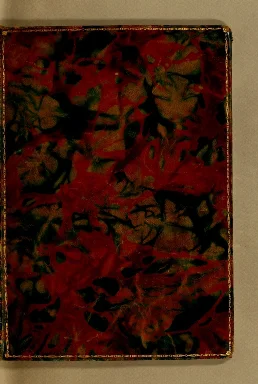
Fernando de Montesinos
Auto de la fe celebrado en Lima a 23. de enero de 1639. Al tribunal del ...
1639
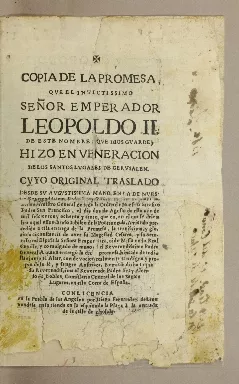
Leopold I, Holy Roman Emperor, and others
Copia de la promesa, que el invictissimo Señor Emperador Leopoldo II. [...
1685
Maury A Bromsen e.a.
[Limosna, que en todos los reynos de las Indias, sus islas, y las Filipi...
1799
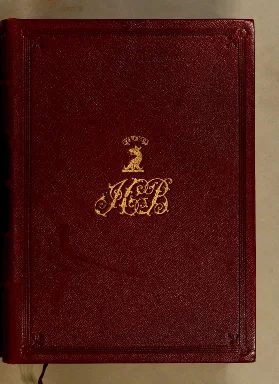
Diego González Holguín
Vocabulario dela lengua general de todo el Peru llamada lengua Qquichua,...
1608

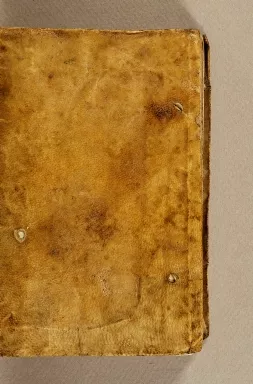
Contributors: Bernardino de Llanos, and others
Poeticarum institutionum liber, variis ethnicorum, christianorumque exem...
1605
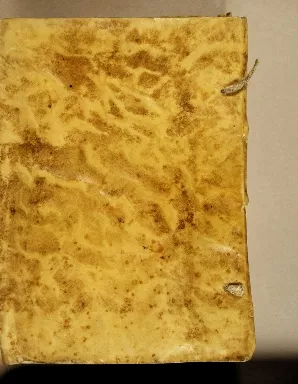
Isidro Félix de Espinosa, and others
El peregrino septentrional Atlante: delineado en la exemplarissima vida ...
1737

José Miguel Durán e.a.
Replica apologetica, y satisfactoria al defensorio del M. R. P. Fr. Juan...
1773
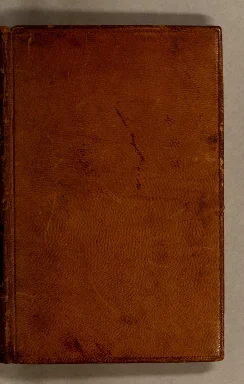
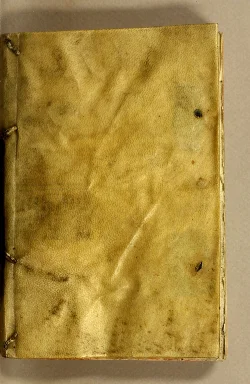
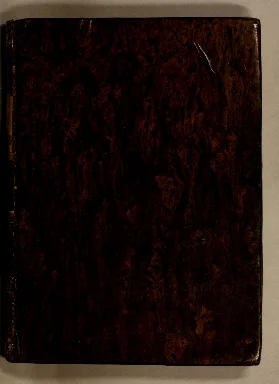
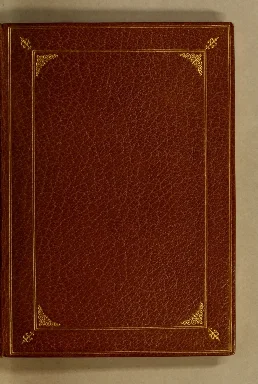
5. Bookbinding
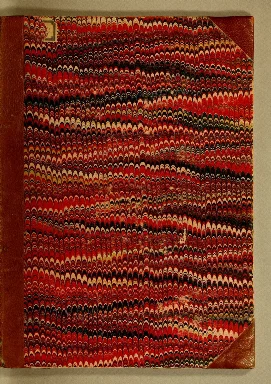
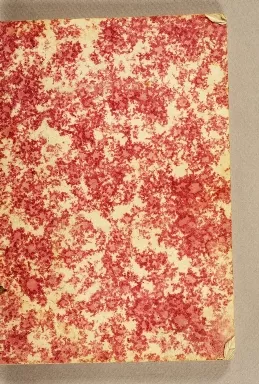
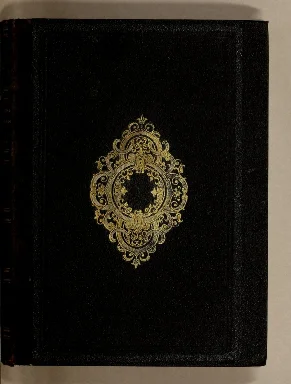
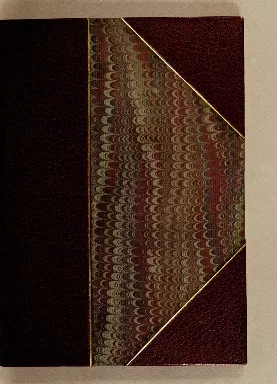
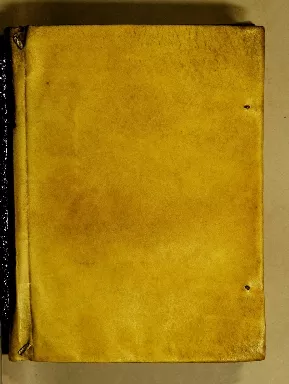
With a few notable exceptions, virtually no research has been conducted on bookbinding in Spanish America. While the documentary record is quite slim, the products of the binders' art are plentiful.
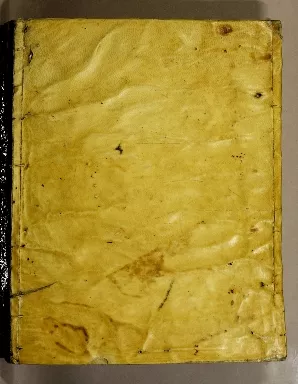
Juan de Luzuriaga, active 17th century, and others
Paranympho celeste : historia de la mystica zarza, milagrosa imagen, y p...
1686
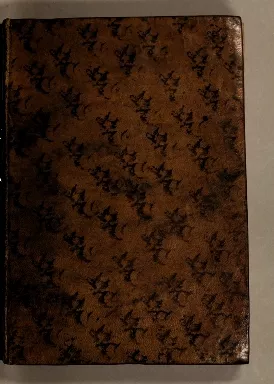
Augustín de Vetancurt
Teatro mexicano : descripcion breve de los sucessos exemplares, historic...
1697-1698, v.1

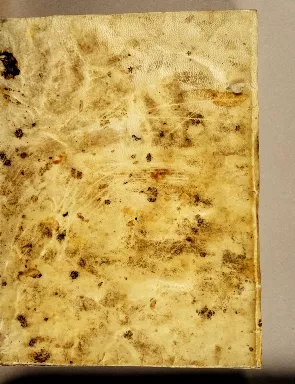
Juan Martínez de la Parra, and others
Luz de verdades catholicas y explicacion de la doctrina christiana. : Qu...
1691-1696, v.1
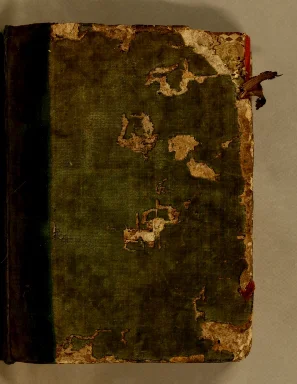
Juan de Gacitúa e.a.
Triunfos del Santo Oficio Peruano
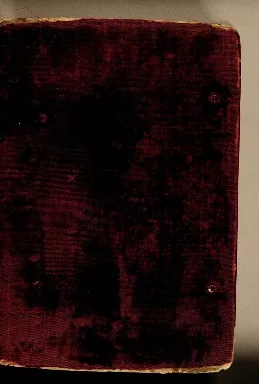
Miguel Venegas, and others
Manual de parrochos, para administrar los santos sacramentos, y executar...
1766-1731
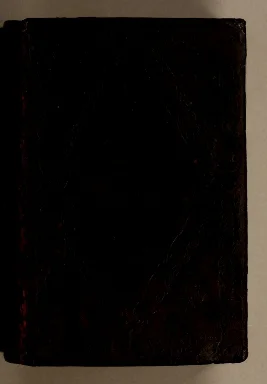
5.1. A Single Hand at Work?
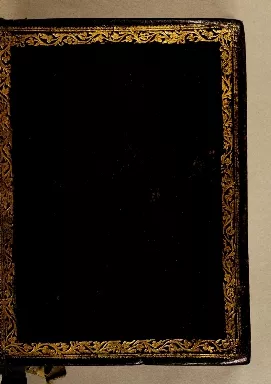
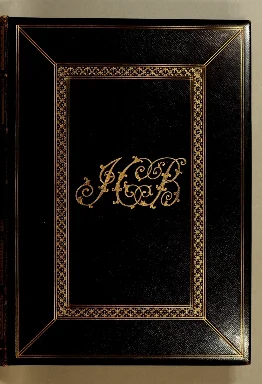
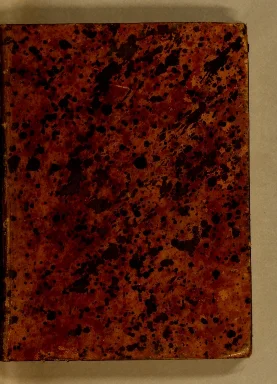
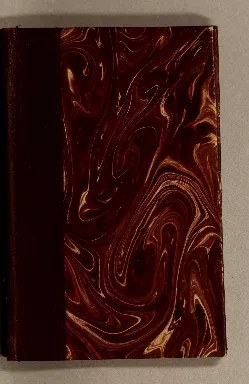
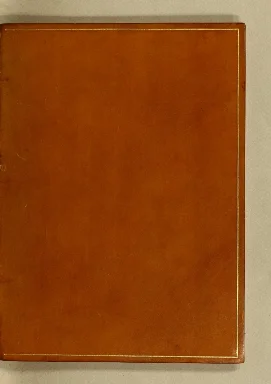
These [three, of five] books, dating from 1770 to 1784 all share similar characteristics in decoration, suggesting, perhaps, the same hand at work. A great deal of research remains to be done on bookbinding in Latin America.
6. Content and Character of the Products of the Press
While there is some truth to the notion that the majority of books published in Spanish America were of a religious nature, the range and variety of publications encompasses a multitude of genres.

Henri Ternaux-Compans e.a.
Arte de la lengua general del Reyno de Chile, con un dialogo chileno-his...
1765


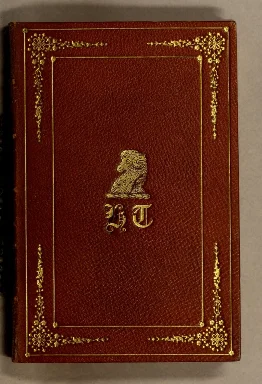
Juana Inés de la Cruz e.a.
Villancicos, que se cantaron en los maytines de el glorioso principe de ...
1692
Pedro Murillo Velarde
Practica de testamentos, en que se resuelven los casos mas frequentes, q...
1755

Francisco Juan Garreguilla e.a.
Libro de plata reduzida que trata de leyes baias desde 20. marcos, hasta 120
1607
Jacinto Calero y Moreira
Mercurio peruano de historia, literatura, y noticias públicas que da à...
1791-1795
Contributors: Maury A Bromsen former owner, and others
Almanak y kalendario general diario de quartos de luna, segun el meridia...
1796

Mariano José de Zúñiga y Ontiveros
Calendario manual y guia de forasteros en Mexico, para el año de 1796. Bisexto
1795

José de Borda y Echeverría
B.L.M. su mayor servidor D. Joseph de Borda y Echeverria

Editorial Notes: Items Pending Integration
During the migration of our legacy catalogs and past exhibitions into Americana, there are occasionally items that cannot be immediately included in our new environment. This may happen for two reasons: the item in question is not yet cataloged, or it was lent by another institution.
Any items that are not integrated into Americana are included in this section and added to our processing queue.
[Inventario de los bienes de Juan Ruiz], Mexico, 17 August 1675. In: Francisco Pérez Salazar, Dos familias de impresores Mexicanos del siglo XVII, Puebla, 1987.
Inventories of printing houses, in one form or another, are not uncommon. We have a good general idea of the materials that traveled from Spain to Mexico with Juan Pablos, and a detailed inventory of Antonio Ricardo's Lima printing house was elaborated when it passed to Francisco del Canto. Juan Ruiz's testament details his materials, and it includes astronomical instruments likely inherited from Enrico Martinez, believed to be his stepfather. Though numerous, they have yet to be the object of systematic research.
[Diagram of Puebla Printing House], Puebla,27 August 1788.
While shop inventories might provide some notion of the contents of a printing house, and there are some documentary descriptions that give an idea of layout, this plan of Pedro de la Rosa's printing house and bookstore in Puebla de los Angeles is apparently unique.
Images courtesy of the Archivo General de la Nacion, Mexico.
Matrices and sorts.
Producing type entails carving the letterform in reverse on a metal punch, which is then used to strike a bronze matrix. Since this will slightly deform the metal, it must be "justified" before it can be used to produce type. A matrix is then fitted into a mold into which an amalgam of metals, largely lead, can be poured to produce uniform and identical pieces of type, known as sorts.
Courtesy of the Providence Public Library.
Al Benjamin del Señor S. Juan Evangelista, (En Valencia: En la Imprenta de Monfort, año 1771).
John the Evangelist is one of the patron saints of printers, the other being Saint Agustin. According to Tertullian, emperor Domitian ordered John to be boiled in oil before the Porta Latina in Rome. It is easy to understand his becoming patron of printers, considering that the fabrication of ink includes boiling lamp black with oil and rosin. While as early as the sixteenth century there was a religious brotherhood of printers dedicated to San Juan Evangelista in Madrid, there is no evidence of such a brotherhood in Latin America.
Courtesy of the Providence Public Library
Miguel de Ibarra, Annuae relectiones ac canonicae iuris explicationes in duas partes divisae (Mexic[i]: apud Viduam Bernardi Calderon, in via Sancti Augustini, [1675]).
Although requiring a second run through the press, two-color printing was not terribly difficult. Thus it is odd that it all but ceased by the second decade of the seventeenth century. Ibarra's Annuae is the only example I am aware of that appeared prior to the return of two-color printing in earnest in the 1680s.
Culhuacán (MEXICATZINGO). Mexico, 17 January 1580.
This sixteenth-century map, taken from the Relación Geográfica of Culhuacán (Mexicatzingo), Mexico, shows a paper mill attached to the principle chapel of the cabecera, that of San Juan Evangelista. In addition, from the early seventeenth century, there was a hacienda known as the Rancho el Molino de Papel. Nevertheless, thus far there is no clear evidence that either produced much paper or if what they did manage to produce was ever used in books or manuscripts. Likewise, Spain's paper production could not meet demand. Thus both for Spain and Latin America, virtually all paper was imported, typically from Italy, but also from Lyon and the Low Countries.
Courtesy of the Benson Latin American Collection at the University of Texas at Austin.
Francisco de Paula Sarmiento Fuentes, “Ynstrucciones para el bufete. Y mercancia arregladas á los comercios de la Europa” ([Mexico, 1781]).
While paper was imported to Spain from many sources, Italy--and in particular, Genoa--was favored. This manuscript on commerce includes a guide to accounting practices, currency conversions, and the principle manufactures of various European cities. The entry for Genoa mentions the production of "papel florette y ordinario," and cites the royal ordinance that requires each balón be of 32 reams (later reduced to 24). What follows, however, is almost entirely in error. In reality, according to the Pragmática de tasas of 27 November 1680, each ream was to be composed of 20 manos, each mano of 5 cuadernillos (quires), and each quire of 5 sheets.
Gazeta de Mexico (En Mexico: Doña María de Rivera. En el Empedradillo, February, 1733).
This fascinating notice in the Gazeta de México of February 1733 announces the arrival of a new press and types to the office of María Candelaria de Rivera. In addition to listing the various sizes and kinds of type, including music, Greek, and Hebrew, it also includes a list of parts of the press and the workmen involved. Here we learn that the beater was responsible for making the ink, and of its composition.
Inquisition. Mexico, Nos los inquisitadores apostolicos contra la heretica... ([Mexico: s.n., 1804]).
From its arrival in the sixteenth century, the Holy Office of the Inquisition was profoundly concerned with the circulation of "heretical" texts. Not only were books dealing with matters of the faith subject to pre-publication censorship, but books were also subject to post-publication censorship as well. The greatest concern, was for books published outside of Spanish realms, in the eighteenth century, particularly France.
Pedro Santa María y Ulloa, Relox perfecto: de cuyos movimientos proceden las quince tiernas y devotisimas consideraciones pertenecientes a los mysterios del santisimo rosario, de la soberana reyna de los angeles Maria Santisima señora nuestra (Puebla de los Angeles: En su nueva Imprenta Matritense, en el Portal de las Flores, 1778).
Regla, y ordenaciones, de las religiosas de la limpia e inmaculada Concepcion DD [sic] la santisima virgen N. Señora (México: En la imprenta matritense de d. Felipe de Zúñiga y Ontiveros, calle de la Palma, 1779).
León de Arroyal, Versión castellana del oficio parvo de Nuestra Señora, según el breviario romano (En México: En la imprenta de D. Felipe de Zuñiga y Ontiveros, y por su original en la de los herederos del Lic. D. Joseph de Jauregui, 1784).
Credits
Curated by Ken Ward
Project Creator(s)
- The John Carter Brown Library